Author: Zackary Michael

fishing-charters-large-catch-on-boat-with-angler-smiling

Fall Fishing in Tampa Bay: The Season Locals Keep to Themselves

Summer gets the crowds and tarpon gets the headlines, but ask a St. Petersburg guide to pick one stretch of calendar to fish for the rest of his life and most will quietly say fall. From September into November, Tampa Bay cools off, fills with bait, and turns on in a way that makes every trip feel loaded.

Visitors mostly miss it, because the beach season winds down right as the fishing winds up. Here is what actually happens in the bay each fall, species by species, and why the smart money books October.

What can you catch in Tampa Bay in the fall?

Fall is prime time for redfish, which gather into big schools on the flats, and for snook, which feed hard as they slide off the beaches and back into the bay, with the harvest season on this coast typically reopening in September. Spotted seatrout wake up as the water cools, Spanish mackerel blitz the bait schools everywhere, and the fall kingfish run arrives just off the beaches in October and November. Add flounder on the sand edges and bull redfish around the bridges, and fall offers the widest spread of the year.

The engine behind all of it is bait. Huge schools of whitebait and glass minnows flood the bay in early fall, and everything with fins follows them.

What can you catch in Tampa Bay in the fall?, Inverted Fishing Charters

Redfish: the schools of fall

Nothing in the bay matches the sight of a fall redfish school, a hundred or more copper backs pushing water across a flat like a slow wave. September and October are the peak, when big breeder fish gang up ahead of their move toward the passes, and a well placed bait ahead of a moving school is about as high percentage as inshore fishing gets.

These schools reward stealth, so calm mornings, long casts, and a patient captain on the poling platform or trolling motor earn the shots. Redfish rules around Tampa Bay have shifted several times in recent years, with tight limits when harvest is allowed at all, so let your captain make the keep or release call. The eat is the prize either way.

Snook: the fall feed and the open season

Snook spend summer spawning around the beaches and passes, and fall pulls them back into the bay, hungry and aggressive, staging around mangrove points, dock lines, and creek mouths. As the first mild fronts push bait into the rivers and residential canals, snook follow, and some of the most exciting fishing of the year happens a rock’s throw from shore.

Fall is also when harvest typically reopens on this coast, running September through November for fish inside the slot, with a snook stamp handled under the boat’s licensing on a charter. Slots and closures change, and plenty of anglers release every snook regardless, but a legal fall keeper is genuinely great on the table. Your captain will know exactly where the rules stand on your date.

Snook: the fall feed and the open season, Inverted Fishing Charters

Mackerel, kingfish, and the bait ball show

When the fall bait flood peaks, Spanish mackerel turn the bay into a pinball machine, slashing through minnow schools under diving birds. It is fast, visual fishing with light tackle and wire leaders, casting into a feeding melee and coming tight on nearly every drift. For kids and new anglers, nothing in Florida beats it for pure action.

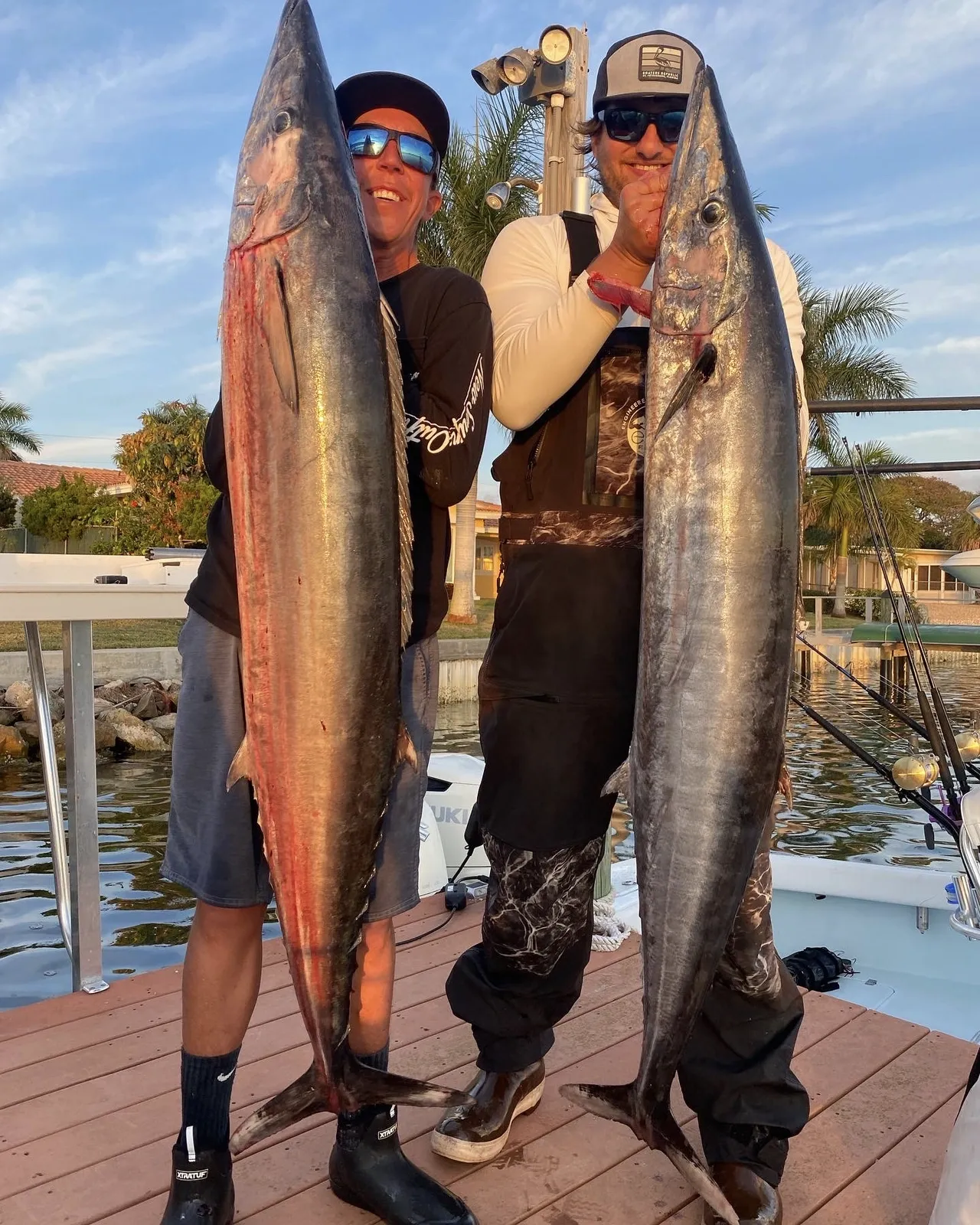
Just off the beaches, the fall kingfish run streams south in October and November, and slow trolling live baits over nearshore hard bottom puts smoker kings in range of a half day trip. Bonito crash the same bait, ladyfish and jacks fill any slow minutes inside the bay, and big bull redfish stack around the Skyway area bridges. Rods stay bent in fall, whatever the target.

Planning a fall trip out of St. Petersburg

Fall means thinner crowds, easier bookings, and cooler mornings that let you fish comfortable hours instead of racing the heat. October is the sweet spot: water still warm enough for everything, air finally pleasant, and patterns steady between fronts. When a front does push through, the two or three days behind it fish differently, and a good captain adjusts rather than cancels. Bring a light jacket for the morning run, keep the sunscreen habit anyway, and tune your expectations for variety, because fall days here often end with four or five species in the photo roll.

The honest caveat is storm season, which runs into November on paper. In practice, fall fronts and the occasional tropical system are exactly why charters carry flexible reschedule policies, so book the trip and stay loose on the exact morning. The bay forgives fall weather quickly, often fishing best the day after a blow.

Bottom Line

Fall in Tampa Bay means schooling redfish, feeding snook with a harvest window typically open, mackerel blitzes, and a kingfish run, all with lighter crowds and kinder weather out of St. Petersburg. It is the local’s favorite season for a reason, and it books easier than tarpon spring. Inverted Fishing Charters runs the fall pattern hard from September through November, inshore and nearshore. Grab an October date, bring a light jacket for the ride out, and see why the guides keep this season for themselves.

Related reading: our offshore fishing services

Snapper, Grouper, and Cobia: Your Gulf Species Guide

Run west out of St. Petersburg and the Gulf opens into some of the most productive bottom fishing in Florida: limestone ledges, live hard bottom, springs, and wrecks scattered for fifty miles. Different fish own different pieces of that ground at different times of year, and knowing the cast of characters makes booking the right trip a lot easier.

This is the working species guide we give offshore guests. Seasons and limits below are painted in broad strokes on purpose, because regulators adjust them every year, and part of what you hire a captain for is keeping all of that current so you do not have to.

What can you catch offshore from St. Petersburg?

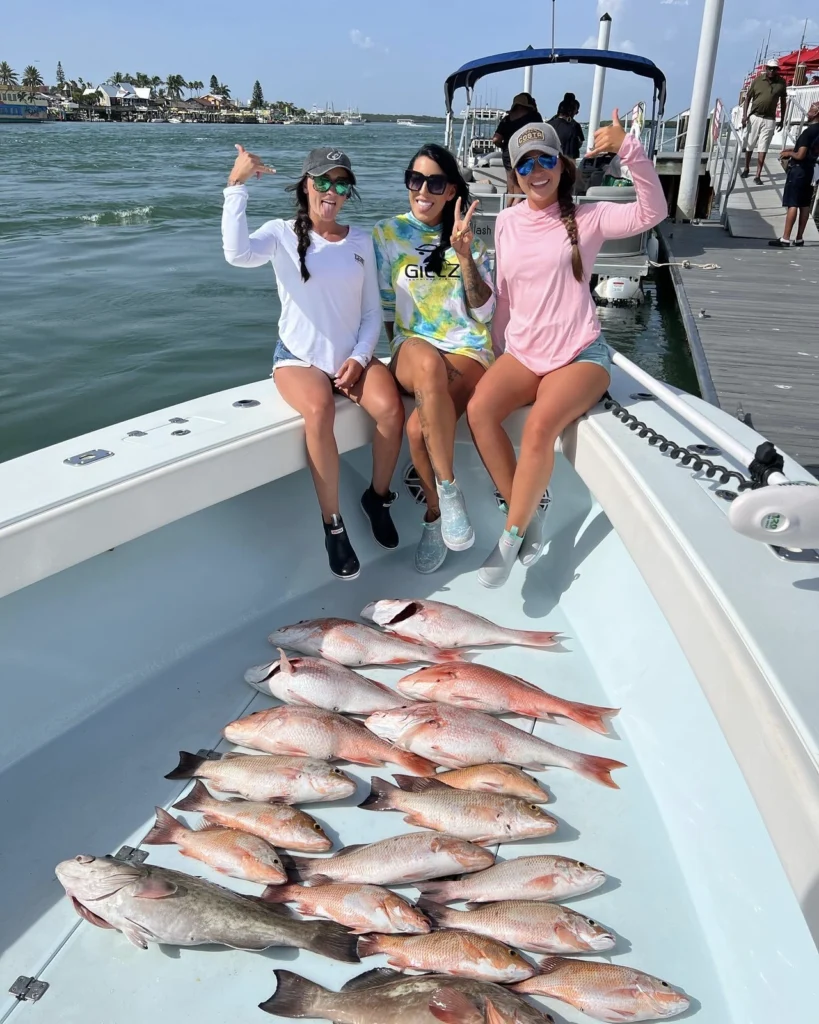
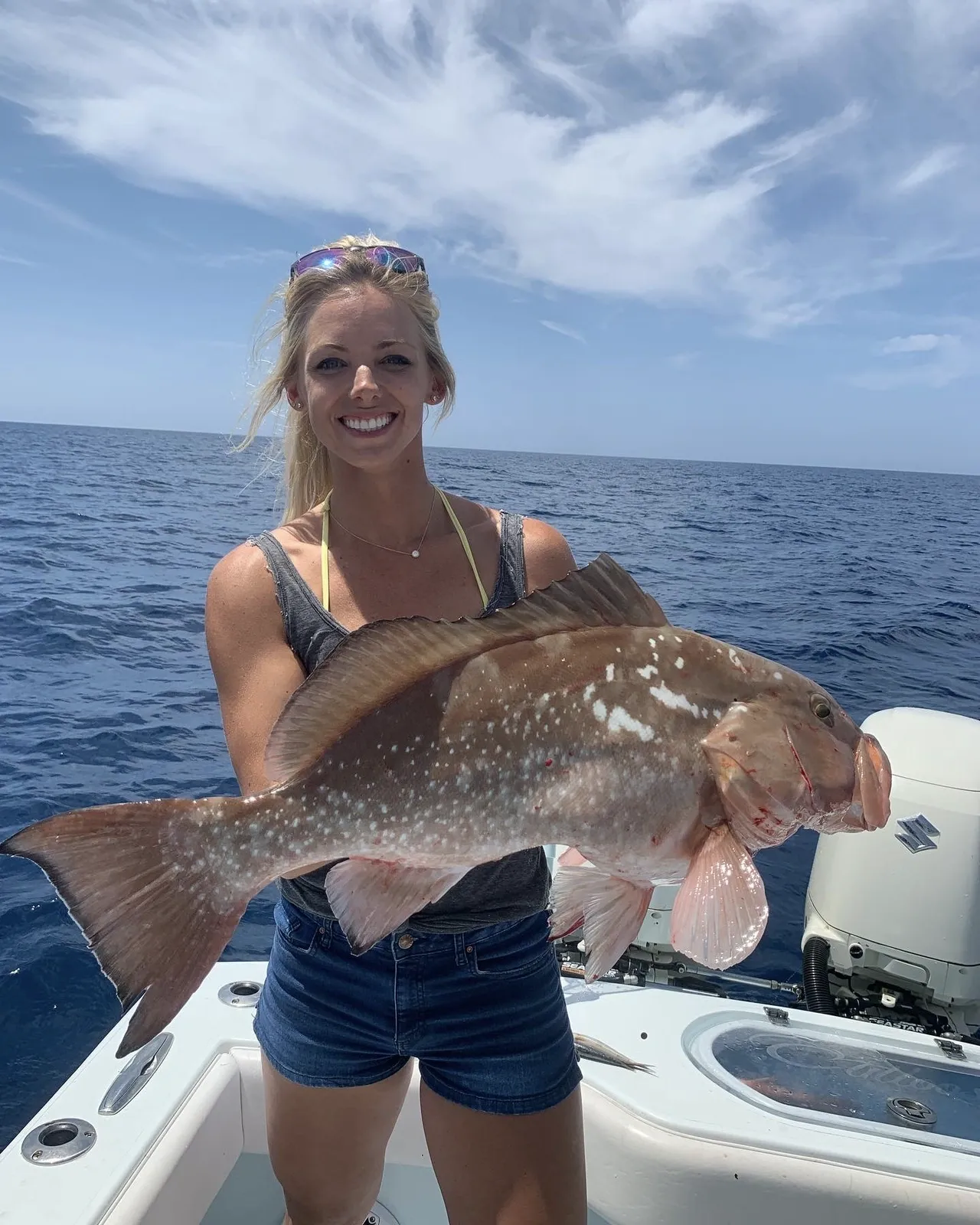
The offshore headliners here are red snapper during the summer federal season, gag and red grouper over hard bottom and ledges, cobia on the spring migration, kingfish on the spring and fall runs, and mahi in the warm months farther out. Mangrove snapper, hogfish, and amberjack round out the box on many trips. Seasons, sizes, and bag limits change year to year, so check current FWC and NOAA rules or simply let your captain handle the legality while you handle the reeling.

That rotation means there is a legitimate offshore trip to book in every season, but the target list looks different in April than it does in July.

What can you catch offshore from St. Petersburg?, Inverted Fishing Charters

Red snapper: the summer headliner

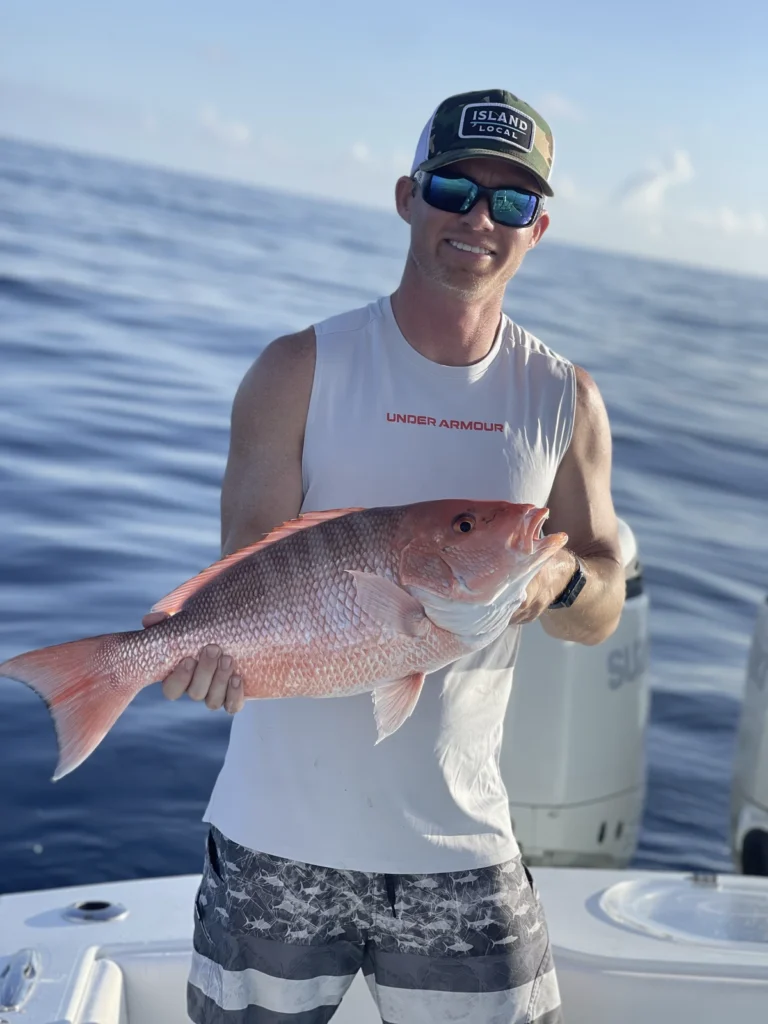
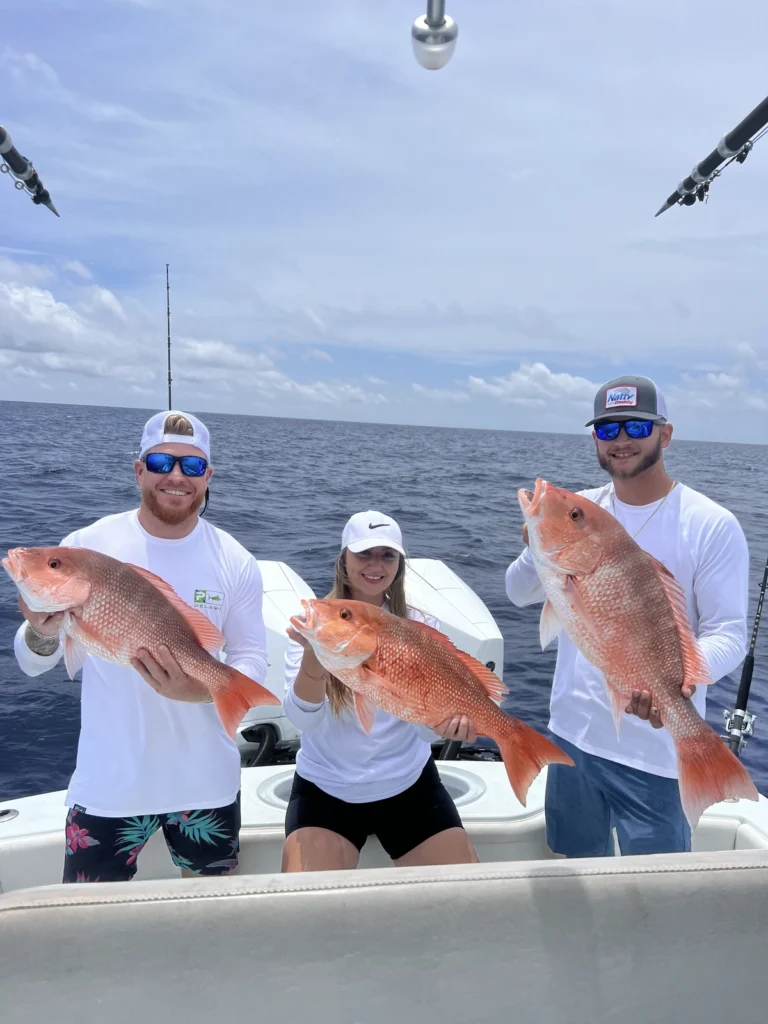
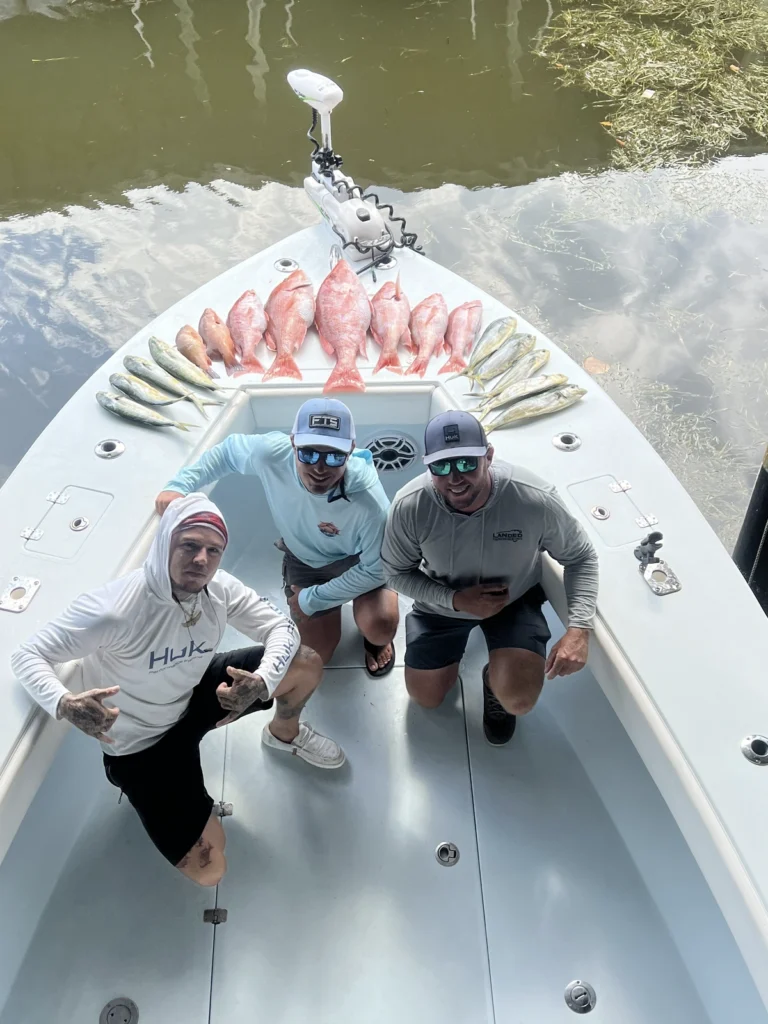
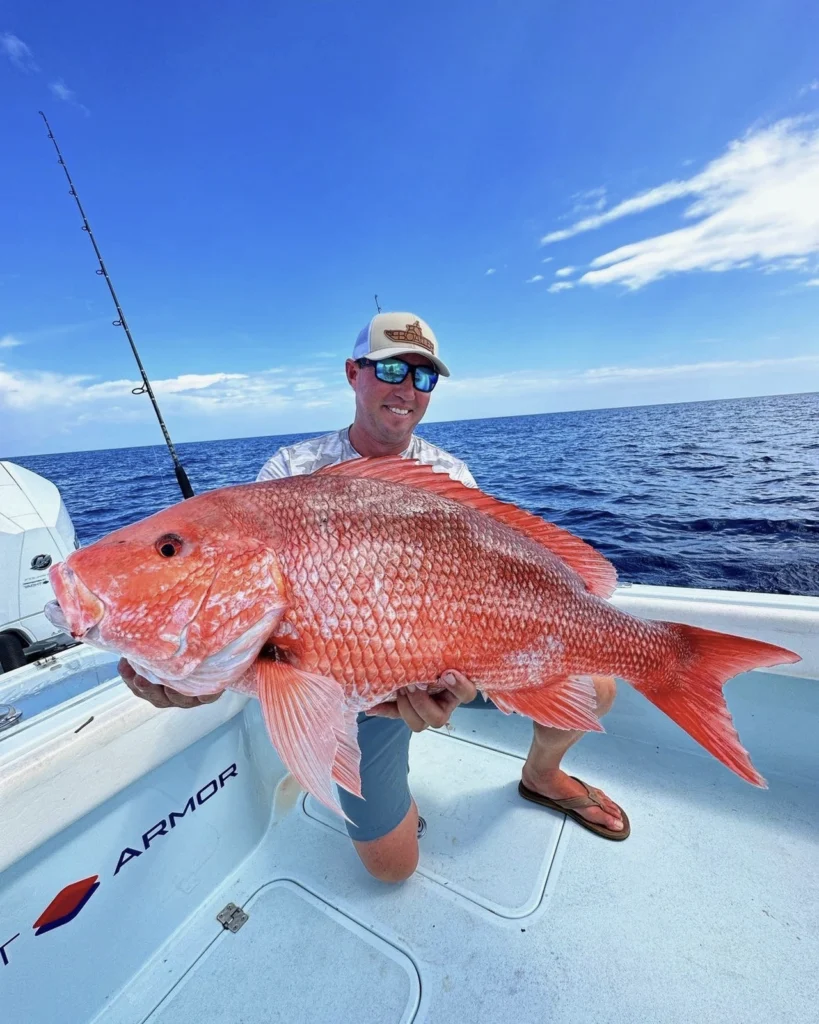
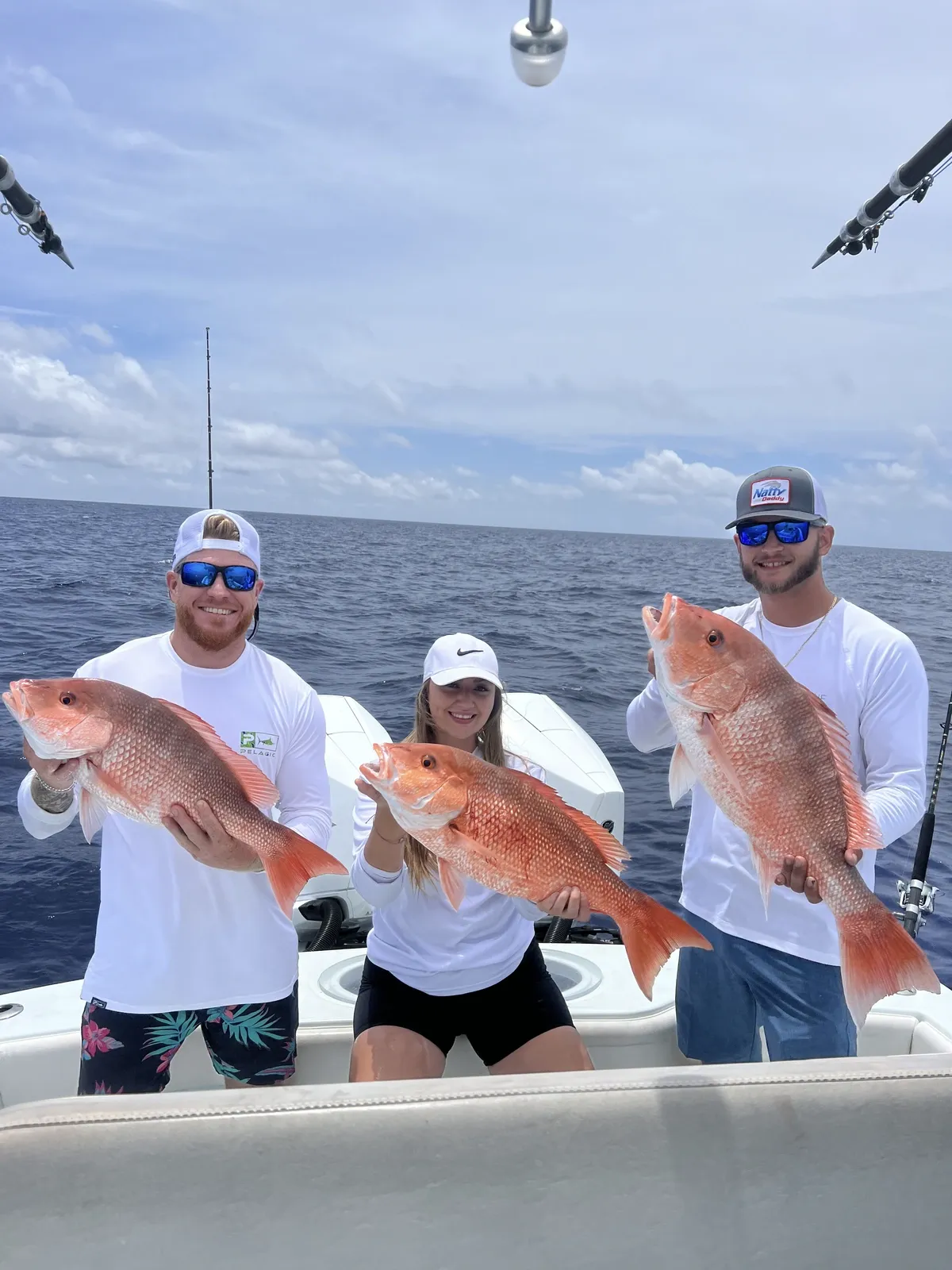
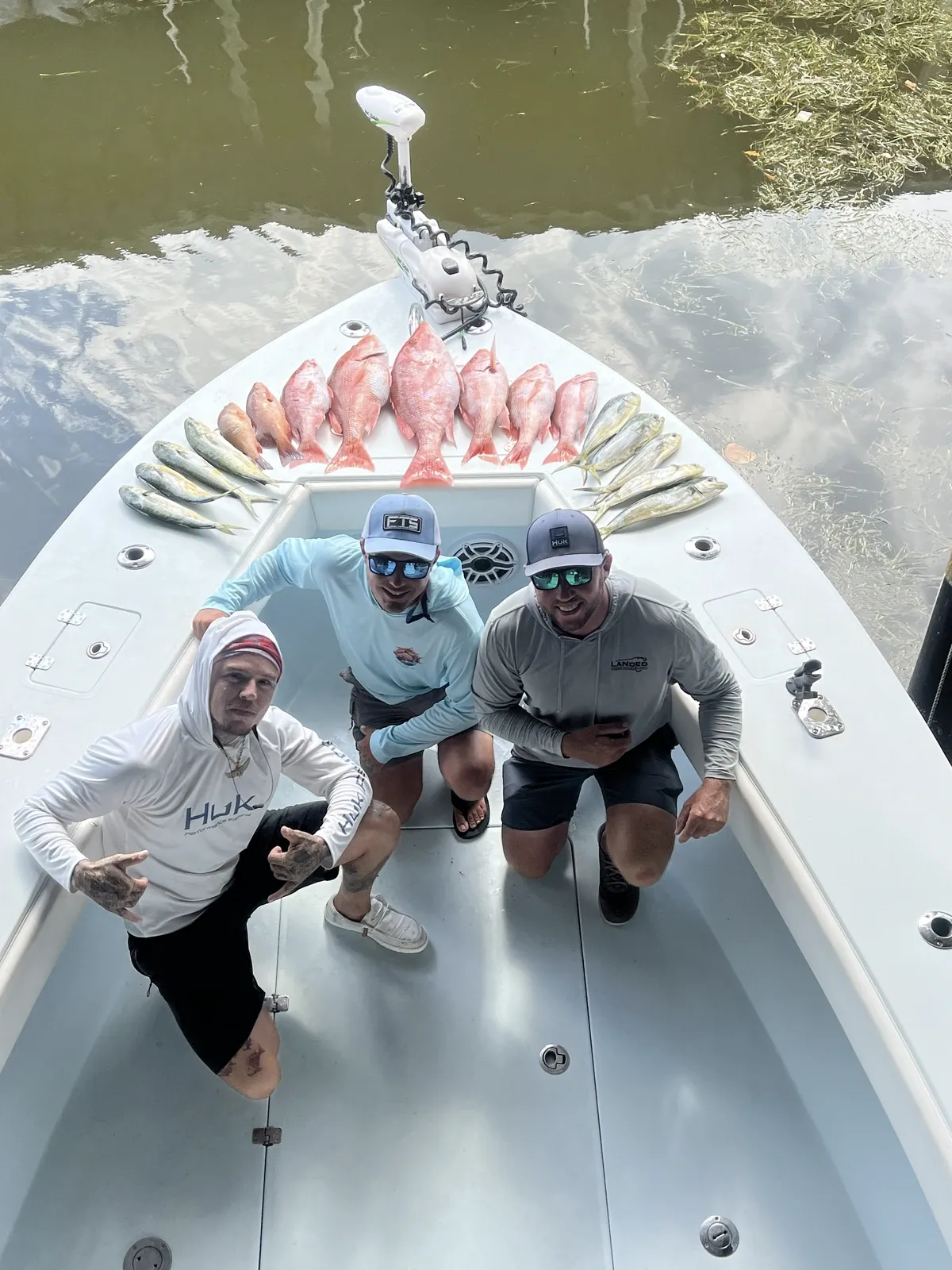
Red snapper are the Gulf’s rock stars: aggressive, beautiful, hard pulling, and outstanding on a plate. The recreational and charter seasons are set each year by regulators, and the federal charter season typically opens in early June and runs through much of the summer. Those weeks fill the calendar fast, because everyone wants the same dates for the same fish.

Quality reds off St. Petersburg generally come from 80 to 140 feet of water, which means a real run, often 25 to 50 miles, on a full day trip. Big live baits and heavy dropped rigs do the work, and the strike is unmistakable. Federally permitted boats carry descending devices to release bottom fish safely, a rule that reflects how carefully this fishery is managed. If a summer cooler of snapper is your goal, book a federally permitted boat, early, for June or July.

Gag and red grouper: the hard bottom bruisers

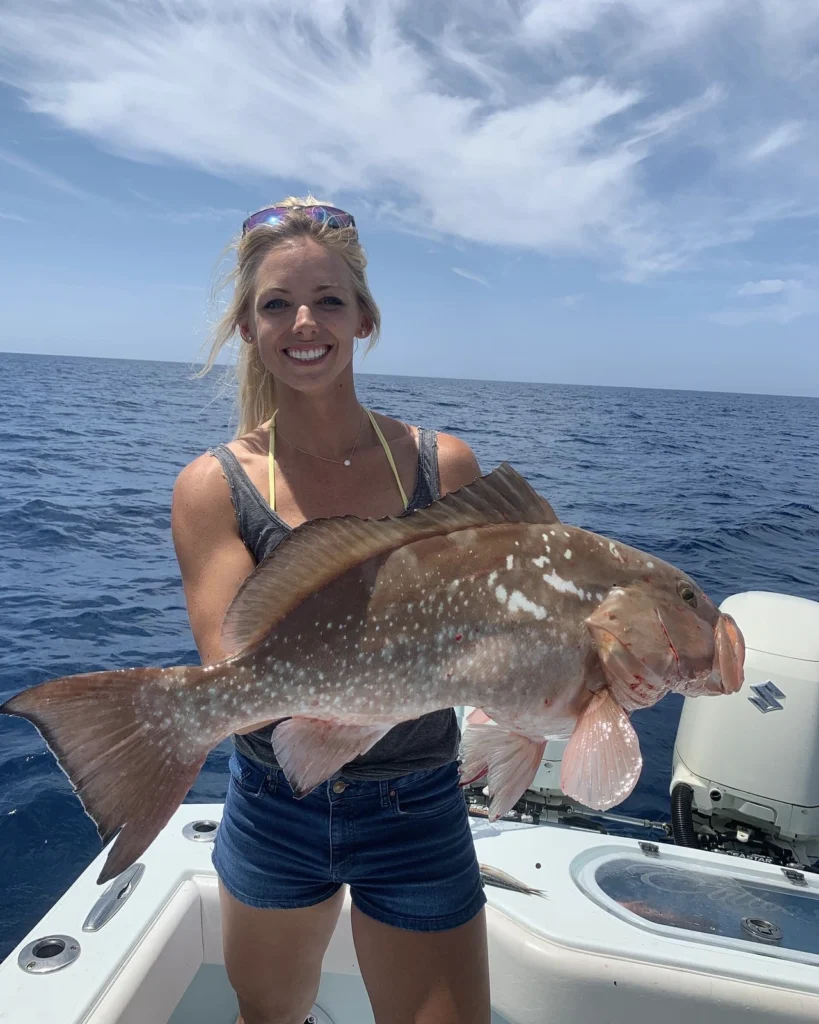
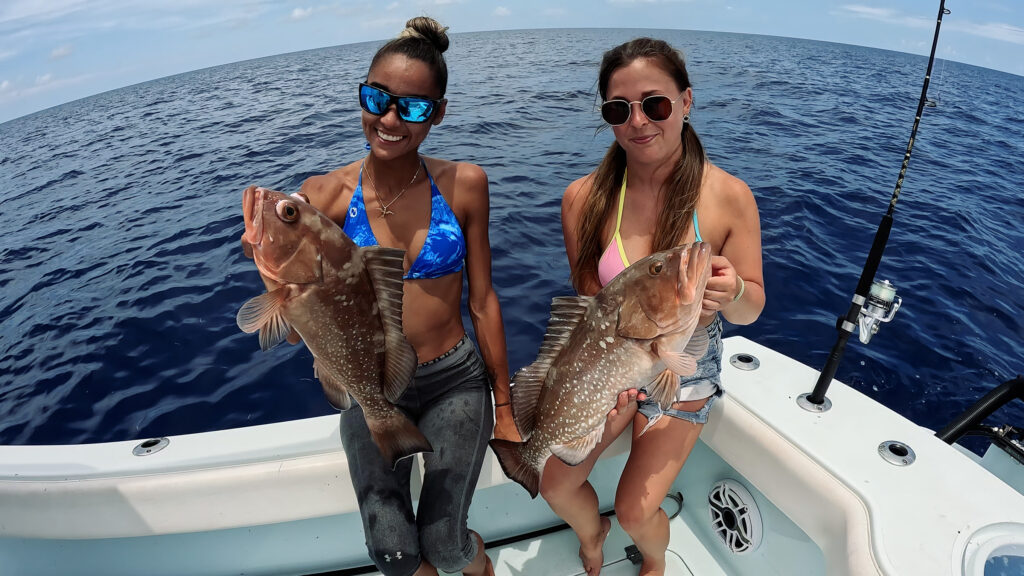
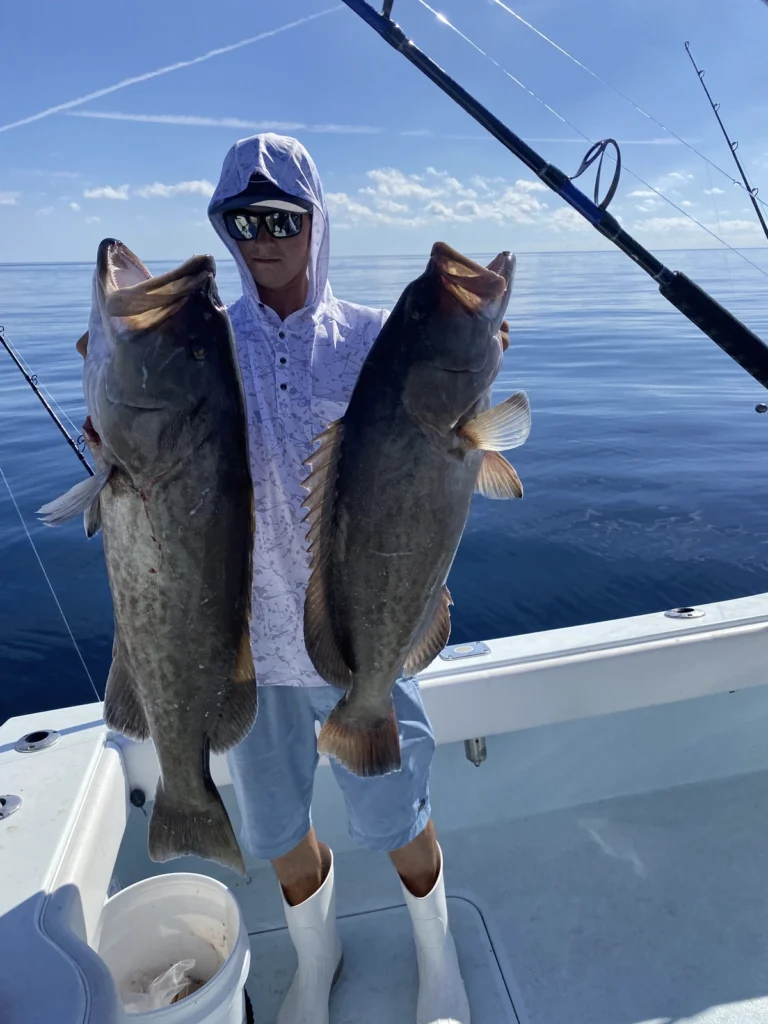
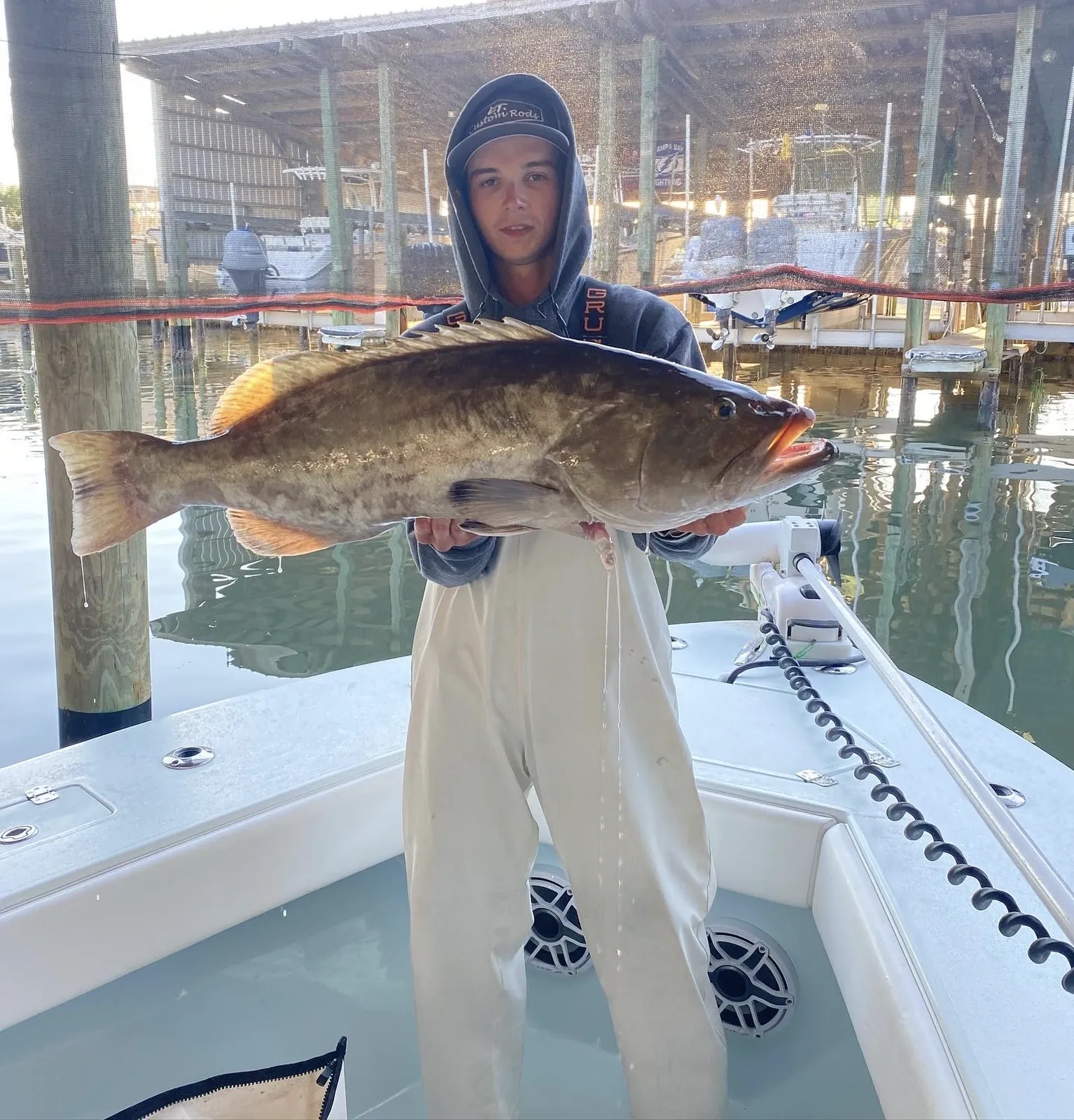
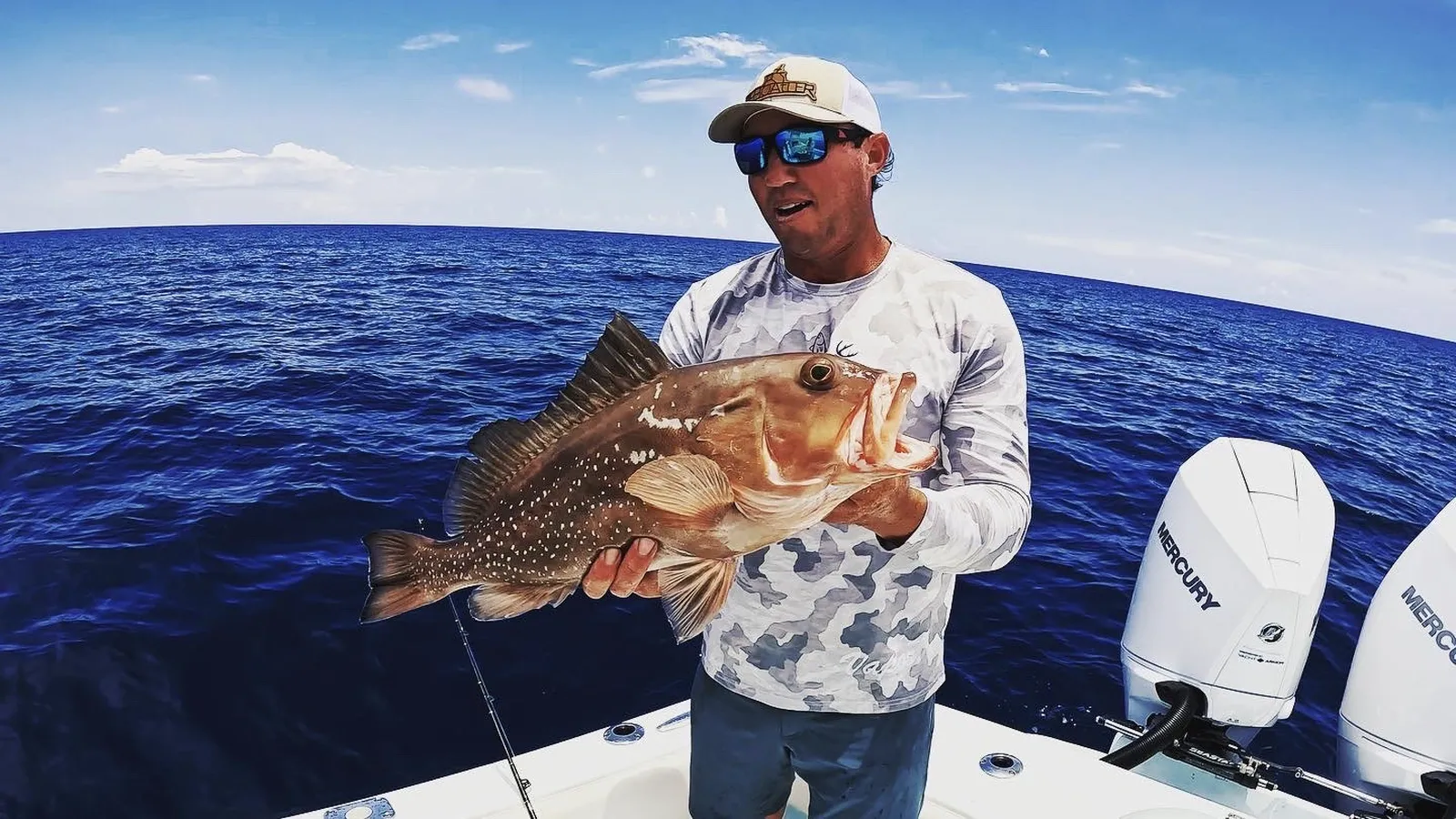
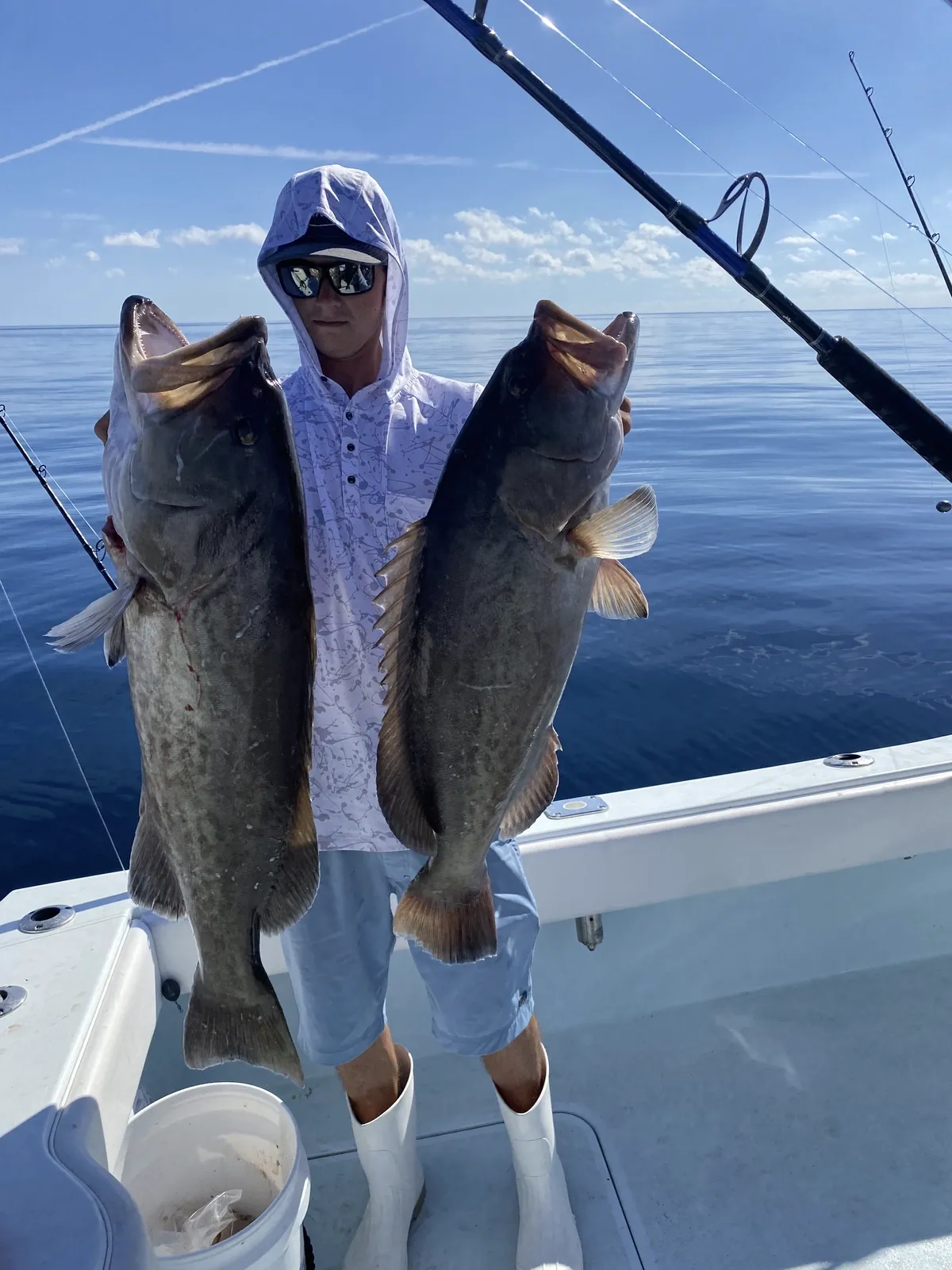
Grouper are the tug of war champions of the Gulf. Gags haunt ledges, swiss cheese bottom, and wrecks, and the fight is a short violent argument about whether the fish reaches its hole before you turn it. Heavy tackle and fast hands win. Red grouper spread across flatter live bottom and potholes, feed more steadily, and produce some of the best fish sandwiches in Florida.

Both wear tight regulations. Gag seasons in particular have been trimmed hard in recent years, often to a limited fall window, while red grouper stay open more generously, and both change year to year. The honest summary: there is nearly always a grouper worth targeting off St. Petersburg, and your captain will know which one is legal on your date. Deep water in winter, shallower hard bottom as things warm, structure always.

Gag and red grouper: the hard bottom bruisers, Inverted Fishing Charters

Cobia: the curious spring drifter

Cobia are the oddballs of the list: long, brown, built like a shark from a distance, and famously curious. The main push comes through in spring, roughly March through May, as fish cruise the beaches, channel markers, and bait schools, often shadowing big rays. A smaller second wave shows in fall as water cools. Sight fishing is the classic game: spot the fish, drop a big bucktail jig or live bait in front of it, and hold on.

They fight dirty, circle the boat, and go wild on the deck, and they are superb eating, which is why regulators guard them with a high minimum length and tight per vessel limits. Many cobia hooked off St. Petersburg get measured and released. Treat a legal keeper as a bonus, not the plan, and cobia will still make your day when one appears.

Kingfish, mahi, and the open water bonus

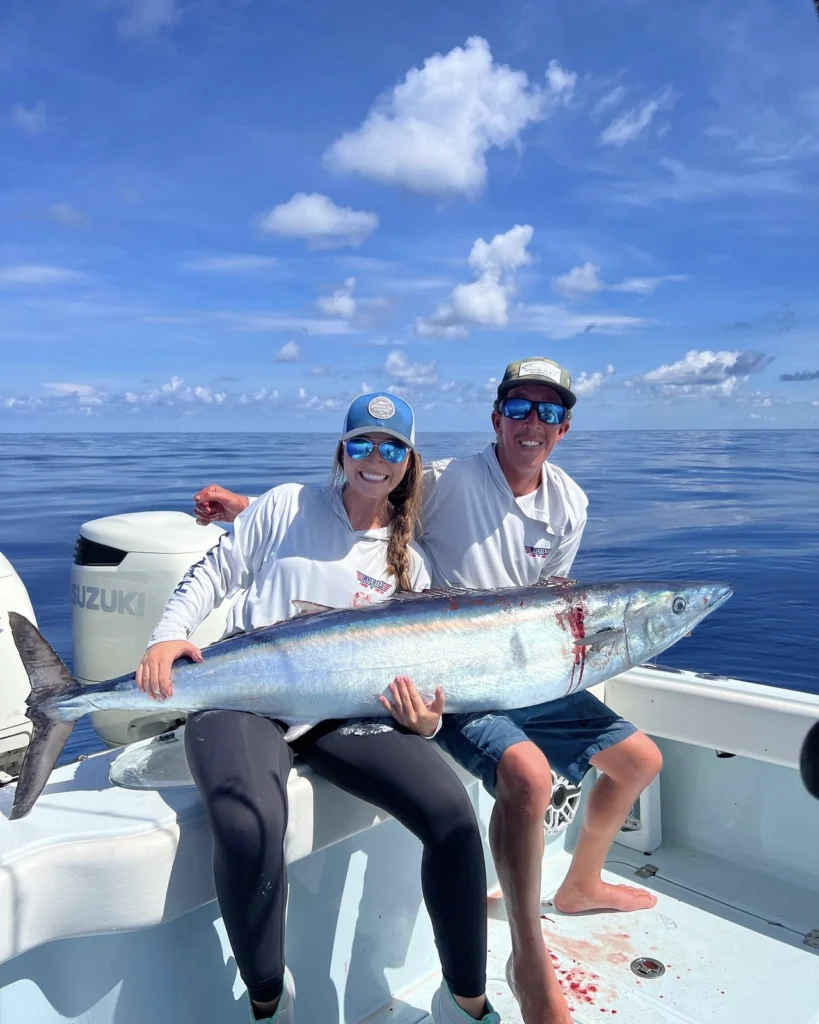
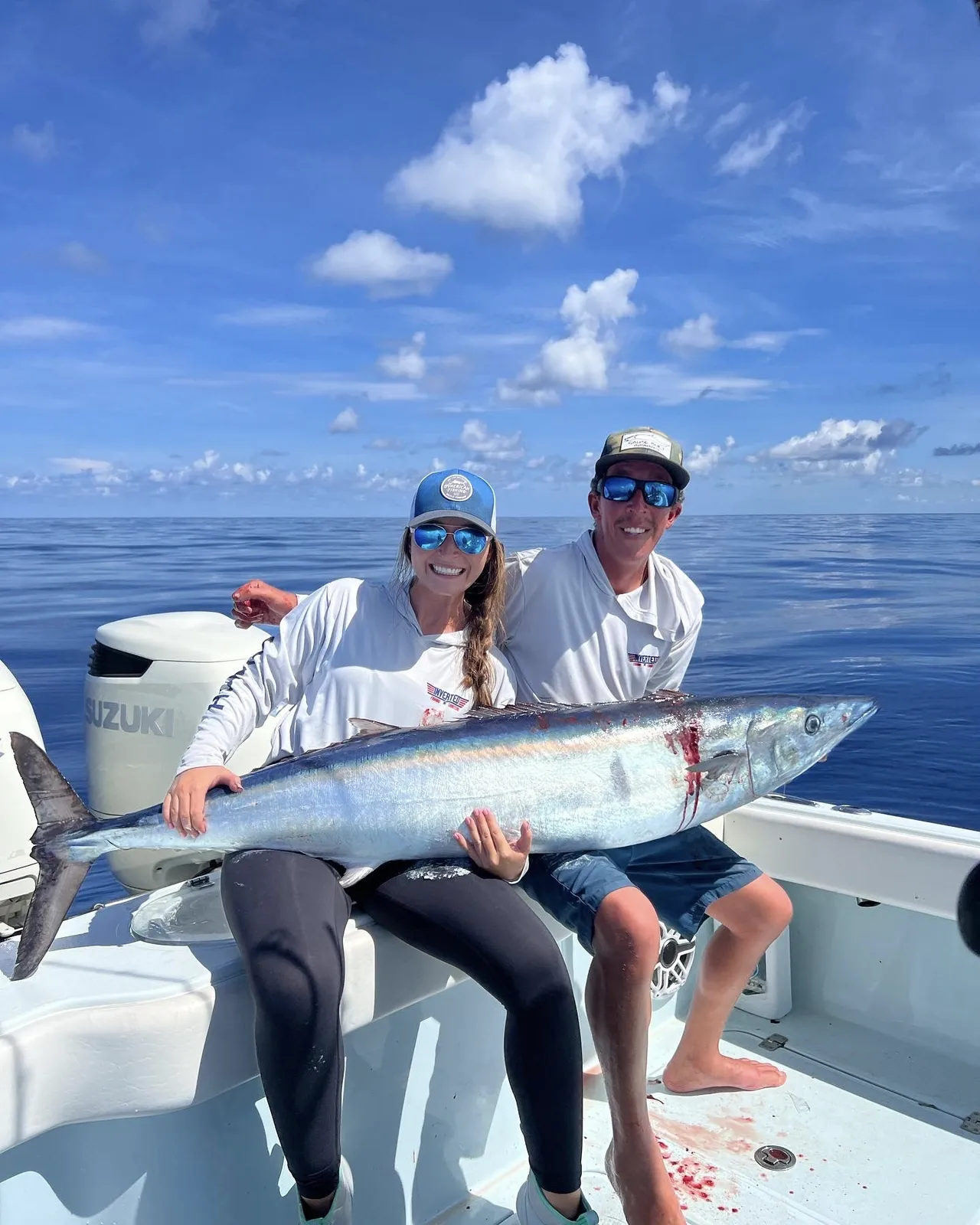
King mackerel sweep past the beaches in two big migrations, spring around March through May and again in October and November, following the bait schools. Slow trolling live baits over nearshore reefs and hard bottom is the classic tactic, and the scream of a king’s first run is one of the great sounds in Gulf fishing. The runs happen within easy reach, which makes kingfish season a great value window.

Mahi are the warm season wildcard. They favor the blue water well offshore, around weed lines and floating debris, and the eastern Gulf gives them up less consistently than the Atlantic side, but summer long range trips out of St. Petersburg cross paths with them regularly enough to keep a rod ready. Add amberjack over the deep wrecks and mangrove snapper stacked on structure, and an offshore day here rarely has a quiet cooler.

Bottom Line

Off St. Petersburg the calendar reads like a menu: snapper headlining summer, grouper holding the bottom most of the year, cobia and kingfish sweeping through spring and fall, and mahi teasing the far blue water in the heat. Rules shift yearly, and a good captain keeps you legal without you memorizing a regulation book. Inverted Fishing Charters runs federally permitted offshore trips out of St. Petersburg year round, matched to whatever is biting best on your dates. Tell us what you want in the cooler and we will point you at the right season.

Related reading: our offshore fishing services, What a Tampa Bay Fishing Charter Costs, How to Choose a Fishing Charter Captain

big-catch-on-boat-with-fishing-charters-adventure-today

How to Choose a Fishing Charter Captain

St. Petersburg has one of the deepest charter fleets in Florida, which is great news and a genuine problem. Scroll any booking site and you will find dozens of captains, all with fish photos, all promising a great day on Tampa Bay. From the outside they look identical. From the inside, the gap between the best boats and the rest is enormous.

You cannot test drive a charter, so you have to vet it. The good news: five minutes of checking and three good questions will sort the fleet fast. Here is what actually separates captains, and how to spot it before you put a deposit down.

How do you choose a good fishing charter captain?

Verify a Coast Guard captain’s license and insurance, read recent reviews that mention your kind of trip, confirm the boat fits your group and the water you want to fish, and ask about federal permits if you want offshore snapper and grouper. Then pay attention to the phone call: the right captain asks about your group and your goals before quoting a price, because they are already planning your day.

Every box on that list takes minutes to check, and together they eliminate most of the mismatch stories that end up as one star reviews.

How do you choose a good fishing charter captain?, Inverted Fishing Charters

Licenses, permits, and safety basics

Every legitimate charter captain holds a Coast Guard credential, most commonly the OUPV license that allows up to six paying passengers, and runs a boat equipped with required safety gear. Florida layers its own charter licensing on top, which covers your whole group so nobody needs an individual fishing license. Any professional will confirm all of this cheerfully; hesitation is your answer.

Offshore adds one more checkpoint most visitors have never heard of: keeping snapper and grouper caught in federal waters requires the boat to hold a federal Gulf reef fish charter permit, and those permits are limited. If your dream is a red snapper cooler in June, ask directly whether the boat is federally permitted. Serious offshore operations also carry descending devices for releasing bottom fish, which regulators require and good crews actually use.

Reading reviews like a local

Volume matters less than freshness and specifics. A captain with steady reviews from this season, mentioning the trip you want, tarpon in June, kids’ first snook, a snapper limit in July, is showing you a current, relevant track record. A wall of generic praise from three years ago tells you much less.

Read the middling reviews for character. Fishing has slow days, and how a captain handles one shows up in the three star writeups: did they grind, change spots, and teach, or watch the clock? Look for mentions of weather calls handled honestly and kids treated patiently. Recycled photos of the same few fish across months is a small red flag; a feed with different anglers holding different fish every week is the real thing.

Reading reviews like a local, Inverted Fishing Charters

Match the boat and the style to your group

Boats set the ceiling on your day. A shallow running bay boat is perfect for flats and mangrove fishing but has no bathroom, while a bigger center console with a head and shade makes an offshore day civilized for a mixed crew. If you have small kids, older parents, or anyone who needs facilities, say so and let the captain tell you honestly whether their boat fits.

Style matters as much as hardware. Some captains run patient live bait trips built for families, others grind artificials for anglers who want to cast all day, and the tarpon specialists are a different breed again. None of it is wrong, but a mismatch makes everyone miserable. Describe your crew and your pace honestly and you will get matched to the right program, sometimes on a different boat than the one you called.

Questions to ask before you book

Ask what your dates realistically offer: a straight answer about seasons, including what will not be biting, marks an honest captain, while promises of everything year round mark a salesman. Ask the weather policy, what the deposit covers, and how rescheduling works. Ask what is included, what to bring, and who cleans the catch.

Then ask the question that reveals the most: what would you do with my group? A pro starts asking about ages, experience, and hopes for the day, then sketches a plan with options. That interview in reverse is exactly what you are paying for on the water, and you get a free sample of it before booking. If the answers come fast, specific, and honest, you found your boat.

Bottom Line

Choosing a charter captain in St. Petersburg comes down to verified credentials, fresh and specific reviews, a boat that fits your people, and a captain who asks better questions than you do. Five minutes of vetting buys a whole day of confidence on Tampa Bay. Inverted Fishing Charters is happy to answer every question on this list before you commit a dime, because that conversation is where a good trip starts. Call with your dates and your crew, and judge us by our answers.

Related reading: our offshore fishing services, Inshore vs Offshore Fishing: Which Charter Fits You, What a Tampa Bay Fishing Charter Costs

catching-large-fish-on-fishing-charters-in-open-water

What a Tampa Bay Fishing Charter Costs

Charter pricing confuses people because the number on the website is for the boat, not per person, and because a four hour bay trip and a twelve hour Gulf run are entirely different products wearing the same word. Once you see how trips are built, the prices make immediate sense.

Here is what fishing charters actually cost out of St. Petersburg right now, what that money covers, and the handful of moves that stretch a charter budget further without cheapening the day.

How much does a fishing charter cost in Tampa Bay?

Most private inshore charters out of St. Petersburg run $550 to $750 for a half day and $950 to $1,300 for a full day, for the whole boat, not per person. Offshore trips start around $1,200 for shorter runs and commonly reach $2,000 to $3,000 for long range full days. Rates cover the boat, captain, fuel, licenses, gear, bait, and ice for up to six passengers, and prices vary with season, fuel costs, and boat size.

Split among a full group, that math lands most inshore trips near $100 to $125 per person, which compares favorably with a theme park day and produces better photos.

How much does a fishing charter cost in Tampa Bay?, Inverted Fishing Charters

What your charter fee actually covers

A private charter is turnkey. The captain’s charter license covers every angler on board, so nobody buys a fishing license. Quality rods, reels, tackle, live bait, and ice come with the boat, and most captains clean and bag your legal catch at the dock. You bring food, drinks, sunscreen, polarized glasses, and a soft cooler to carry fillets home. That is the entire packing list.

The other thing you are buying is knowledge: a captain who watched the tide, wind, and water temperature all week and already knows where the fish were yesterday. On private charters along this coast, six passengers is the standard maximum under Coast Guard rules, so the boat is yours whether two people ride or six.

Typical rates by trip type

For inshore trips, figure $550 to $750 for four hours, $750 to $950 for six, and $950 to $1,300 for a full day chasing snook, redfish, trout, and friends around Tampa Bay. Dedicated tarpon trips in the May and June peak typically run $700 to $1,100 given the specialized tackle and prime tide windows. Nearshore reef trips inside about nine miles usually price between a bay trip and a true offshore run.

Offshore is where hours and fuel stack up: expect roughly $1,400 to $2,200 for eight to ten hours over the grouper and snapper grounds, and $2,500 or more for twelve hour long range runs during red snapper season. On the lighter side, sunset cruises and sandbar or Shell Key beach trips typically run $350 to $600. Every number here moves with season and demand, so treat them as honest ranges and confirm current rates when you book.

Typical rates by trip type, Inverted Fishing Charters

Tipping, deposits, and the fine print

Tipping runs 15 to 20 percent of the charter price, the same as a restaurant, and it goes to the mate if one worked your trip. If the crew filleted a heavy cooler, hosed down your kids’ sandwiches, and untangled every backlash with a smile, tip toward the top. Most boats take a deposit at booking, with the balance due dockside.

Read the weather policy before you book, because good captains make the call honestly: if wind or lightning makes the trip unsafe or unfishable, you reschedule or get the deposit back. That is different from canceling because the forecast shows a morning shower, which is most summer days in Florida. Ask two questions up front: what happens if weather cancels, and how late can we move dates? Clear answers there tell you plenty about the operation.

How to get the most for your money

Fill the boat. Six anglers pay the same as two, so recruiting another couple drops the per person cost dramatically. Book direct with the captain instead of through third party sites that stack on fees, and consider weekdays or shoulder season dates in spring and fall when demand softens. If you are traveling, book the charter before you build the rest of the itinerary, because the best captains and the best tides go first.

Match the trip to the crew instead of buying hours you will not enjoy. A four hour inshore trip is the sweet spot for kids and first timers; save the twelve hour offshore epic for a crew that has proven it wants one. And tell the captain your real goal, dinner fillets, a trophy photo, or just a great morning on Tampa Bay, so every dollar aims at the right day.

Bottom Line

Plan on $550 to $750 for a St. Petersburg half day inshore charter, four figures for offshore, license and gear included, plus a 15 to 20 percent tip for a crew that earns it. The price is per boat, so a full group makes any trip affordable. Inverted Fishing Charters posts straightforward rates and will match your group and budget to the right trip on Tampa Bay. Reach out with your dates and party size, and we will give you a real number with no surprises at the dock.

Related reading: our offshore fishing services, Best Times to Catch Tarpon in Tampa Bay, Inshore vs Offshore Fishing: Which Charter Fits You

catching-redfish-and-snapper-on-fishing-charters-above-water

Inshore vs Offshore Fishing: Which Charter Fits You

Every week we get the same first question from visitors planning a St. Petersburg fishing trip: should we book inshore or offshore? It is the right question, because the two trips share a dock and almost nothing else. Different water, different species, different boats, different budgets, and very different days.

Neither one is the better charter. There is only the better fit for your group, your stomachs, your schedule, and what you want hanging on the line. Here is the honest comparison we give people on the phone.

What is the difference between an inshore and offshore charter?

Inshore charters fish the protected waters of Tampa Bay, the flats, mangrove shorelines, and passes, targeting snook, redfish, spotted seatrout, and seasonal tarpon on light tackle, usually within sight of land. Offshore charters run into the open Gulf, often 20 to 50 miles, dropping baits on hard bottom, ledges, and wrecks for snapper, grouper, kingfish, and other heavyweights. Inshore days are shorter and calmer; offshore days are longer, rougher, and priced to match the fuel and hours.

If you picture casting to shorelines and watching birds work the flats, that is inshore. If you picture cranking something heavy out of deep water and taking fillets home, that is offshore.

What is the difference between an inshore and offshore charter?, Inverted Fishing Charters

What an inshore trip looks like

Inshore trips out of St. Petersburg typically run four to six hours in calm, protected water around the grass flats of Tampa Bay, Fort De Soto, Weedon Island, and the mangrove islands of Boca Ciega Bay. The casting is active, the scenery is constant, dolphins and manatees make cameos, and seasickness is almost never a factor. It is the right call for kids, first time anglers, and anyone who wants steady action over marathon hours.

The species list runs with the seasons: spotted seatrout and redfish year round, snook staged around mangroves and passes in the warm months, sheepshead stacked on structure in winter, plus jacks, ladyfish, flounder, and mackerel keeping rods bent. Snook and redfish are tightly managed, with harvest windows that change, so your captain will know what can legally hit the cooler on any given date. From April into summer, tarpon turn the inshore world upside down and deserve their own trip entirely.

What an offshore trip looks like

The Gulf shelf slopes gently off this coast, so real bottom fishing means real running: quality grouper and snapper water starts well offshore, and the best days push 30 to 50 miles. That makes offshore a six to twelve hour commitment on a bigger boat, with heavier tackle, and the payoff is the strongest pulls and the best eating fish in Florida. Red snapper anchor the summer, with a federal season that typically opens in early June, and gag and red grouper prowl the ledges and live bottom much of the year as their own seasons allow.

Spring and fall add kingfish runs past the beaches, cobia cruising markers and bait schools, and amberjack on the wrecks. Push far enough in summer and mahi become a possibility out in the blue water. Offshore rewards sea legs and patience with a cooler that thumps on the ride home, and it asks more of your budget and your morning alarm.

What an offshore trip looks like, Inverted Fishing Charters

Time, comfort, and cost

Inshore trips cost less because the boat burns less and the day is shorter: figure roughly $550 to $750 for a typical half day out of St. Petersburg. Offshore trips start around $1,200 and climb past $2,500 for long range full days, and prices vary with fuel, season, and boat size. Split six ways, even offshore is reasonable per person, but the gap is real.

Comfort is the other honest variable. The bay stays fishable on days the Gulf is lumpy, and an inshore boat is always minutes from calm water and a bathroom stop at the dock. Offshore means committing to hours of open water, so anyone prone to motion sickness should medicate the night before and again in the morning, skip the heavy breakfast, and keep eyes on the horizon. Ask about the boat too: shade, seating, and a head make a long Gulf day far friendlier for a mixed group.

Which one fits your group

Choose inshore if you have kids under ten, first timers, a short window, or a group that values action and scenery over size. Choose offshore if your crew wants big fish, a full cooler, and does not mind earning it. There is also a middle path many visitors never hear about: nearshore trips to reefs and hard bottom within about nine miles, where mangrove snapper, hogfish, mackerel, and kingfish live without the marathon run.

When in doubt, tell your captain three things: who is coming, what a great day looks like to you, and how flexible your dates are. Any good St. Petersburg captain will build the right trip from those answers, and steer you honestly, even when it means booking the cheaper option.

Bottom Line

Inshore means calm water, light tackle, and constant action inside Tampa Bay; offshore means long Gulf runs for snapper, grouper, and serious pulls. The right answer follows your group, not the fish. Inverted Fishing Charters runs both out of St. Petersburg, plus nearshore trips that split the difference. Tell us who is on the boat and what you want out of the day, and we will point you to the trip that fits.

Related reading: our offshore fishing services, Best Times to Catch Tarpon in Tampa Bay

big-red-snapper-catch-on-boat-with-fishing-charters

Best Times to Catch Tarpon in Tampa Bay

No fish in Florida bends a rod or a memory like a tarpon. The silver king grows past a hundred pounds, jumps like it is trying to leave the ocean entirely, and shows up around Tampa Bay in numbers that make St. Petersburg one of the best places on earth to tangle with one.

But tarpon are a seasonal prize, and timing is most of the game. Book the wrong month and you are sightseeing. Book the right week, on the right tide, and you will watch strings of hundred pound fish roll down the beach toward your bait. Here is how the season actually works.

When is tarpon season in Tampa Bay?

Tarpon arrive around Tampa Bay in April as water temperatures push past 75 degrees, the fishing peaks from May through early July, and a steady bite holds on into September. Late spring into early summer is the heart of the run, when big migratory schools stage along the beaches, passes, and bridges near St. Petersburg. Within that window, tide and moon phase matter nearly as much as the calendar.

If you want the classic experience, aim for May and June and be a little flexible on dates. If you want quieter water and shots at resident fish, the late summer bay fishery is criminally underrated.

When is tarpon season in Tampa Bay?, Inverted Fishing Charters

Month by month: how the run unfolds

April is the arrival. The first pushes of fish show on the warming flats and around the mouth of the bay, and captains start seeing rolling fish on calm mornings. By May the migration is in full swing: big schools slide along the beaches of the barrier islands, stack in Egmont Channel, and swim daisy chains within sight of the Sunshine Skyway. June is peak season, with the most fish and the most predictable patterns of the year.

Around the new and full moons of late June and July, many adult fish slide offshore to spawn, then filter back. Through July the beach fishery gradually gives way to fish scattered through the bay itself. August and September belong to the residents: fewer boats, big fish laid up in the bay, and juvenile tarpon back in the creeks and canals. By the first real cold fronts of fall, the season winds down until spring.

Tides, moons, and time of day

Tarpon feed hardest when water moves, and the strongest movement comes around the new and full moons. Those big spring tides, the ones locals call hill tides, flush crabs out of the bay through the passes on the falling water, and the tarpon line up to eat them like a conveyor belt. An outgoing evening tide at a pass during a moon week is about as close to a sure thing as tarpon fishing offers.

Time of day matters too. Dawn brings slick calm water and rolling, happy fish that are easier to feed before boat traffic builds. Summer afternoons bring sea breeze chop and storms, so most serious tarpon trips out of St. Petersburg run early. Your captain will watch the tide chart harder than the clock, and that is exactly what you want.

Tides, moons, and time of day, Inverted Fishing Charters

Baits, tackle, and the fight

Live bait rules the beach and pass fishery: threadfin herring, scaled sardines, and pass crabs on the moon tides, fished on heavy spinning gear with 60 to 80 pound leader and strong circle hooks. Fly and artificial fishing for tarpon is alive and well here too, especially at first light on laid up bay fish. Either way, the eat is violent, the first jumps come fast, and you learn quickly why anglers bow to the king when it goes airborne.

Expect a fight measured in fractions of an hour, not minutes, with the boat chasing to keep the angle honest. Florida manages tarpon as a catch and release fishery, and any fish over 40 inches stays in the water by rule, so photos happen boatside before a careful revive. Done right, the fish swims off strong and the picture lasts longer than any fillet would.

Booking a St. Petersburg tarpon trip

Prime May and June dates book out months ahead, especially around the moons, so plan early if your travel window is fixed. If you can be flexible, tell your captain and let them steer you toward the best tides. Morning trips are the standard play, and a four to six hour window around the right tide beats a full day fighting slack water.

Come with honest expectations: tarpon fishing is hunting, not grocery shopping. Some days you jump three, some days you feed one that spits the hook at the boat, and that heartbreak is half the addiction. Groups with kids or mixed interest can pair a tarpon window with an inshore stretch for snook, trout, and redfish so everyone bends a rod.

Bottom Line

Tarpon season around Tampa Bay runs April through September, peaks May through early July, and rewards anglers who plan around moon tides at the passes and beaches near St. Petersburg. It is the signature trip of the entire Gulf coast, and it books up fast. Inverted Fishing Charters runs tarpon trips out of St. Petersburg all season, with captains who live on these tides. If the silver king is on your list, grab a May or June date early and come meet the fish of a lifetime.