Snapper, Grouper, and Cobia: Your Gulf Species Guide
Run west out of St. Petersburg and the Gulf opens into some of the most productive bottom fishing in Florida: limestone ledges, live hard bottom, springs, and wrecks scattered for fifty miles. Different fish own different pieces of that ground at different times of year, and knowing the cast of characters makes booking the right trip a lot easier.
This is the working species guide we give offshore guests. Seasons and limits below are painted in broad strokes on purpose, because regulators adjust them every year, and part of what you hire a captain for is keeping all of that current so you do not have to.
What can you catch offshore from St. Petersburg?
The offshore headliners here are red snapper during the summer federal season, gag and red grouper over hard bottom and ledges, cobia on the spring migration, kingfish on the spring and fall runs, and mahi in the warm months farther out. Mangrove snapper, hogfish, and amberjack round out the box on many trips. Seasons, sizes, and bag limits change year to year, so check current FWC and NOAA rules or simply let your captain handle the legality while you handle the reeling.
That rotation means there is a legitimate offshore trip to book in every season, but the target list looks different in April than it does in July.
Red snapper: the summer headliner
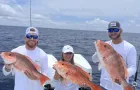
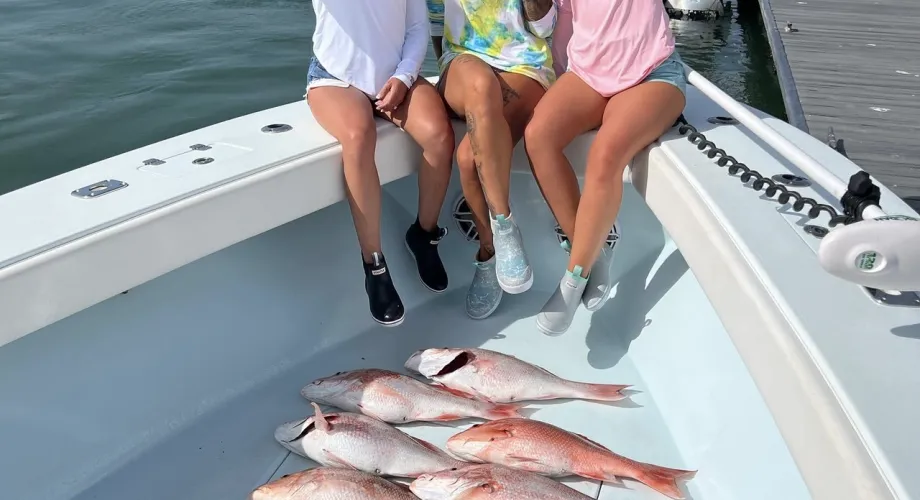
Red snapper are the Gulf’s rock stars: aggressive, beautiful, hard pulling, and outstanding on a plate. The recreational and charter seasons are set each year by regulators, and the federal charter season typically opens in early June and runs through much of the summer. Those weeks fill the calendar fast, because everyone wants the same dates for the same fish.
Quality reds off St. Petersburg generally come from 80 to 140 feet of water, which means a real run, often 25 to 50 miles, on a full day trip. Big live baits and heavy dropped rigs do the work, and the strike is unmistakable. Federally permitted boats carry descending devices to release bottom fish safely, a rule that reflects how carefully this fishery is managed. If a summer cooler of snapper is your goal, book a federally permitted boat, early, for June or July.
Gag and red grouper: the hard bottom bruisers
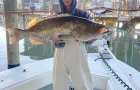
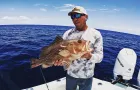
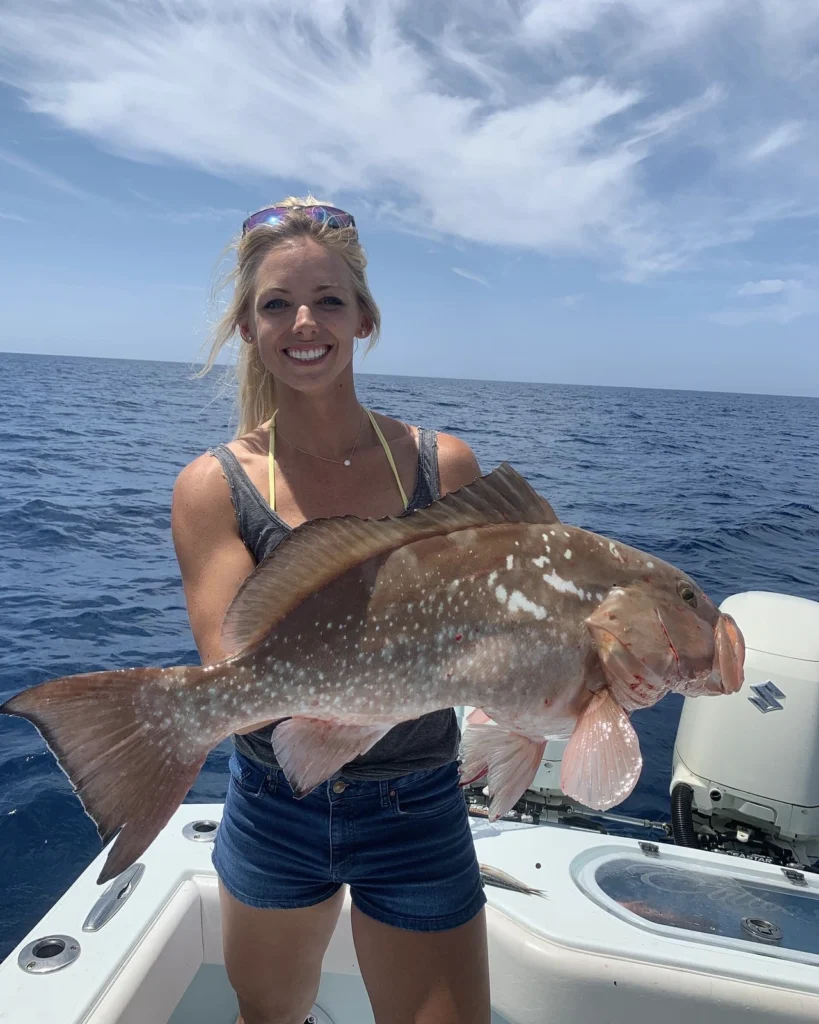
Grouper are the tug of war champions of the Gulf. Gags haunt ledges, swiss cheese bottom, and wrecks, and the fight is a short violent argument about whether the fish reaches its hole before you turn it. Heavy tackle and fast hands win. Red grouper spread across flatter live bottom and potholes, feed more steadily, and produce some of the best fish sandwiches in Florida.
Both wear tight regulations. Gag seasons in particular have been trimmed hard in recent years, often to a limited fall window, while red grouper stay open more generously, and both change year to year. The honest summary: there is nearly always a grouper worth targeting off St. Petersburg, and your captain will know which one is legal on your date. Deep water in winter, shallower hard bottom as things warm, structure always.
Cobia: the curious spring drifter
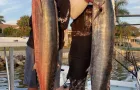
Cobia are the oddballs of the list: long, brown, built like a shark from a distance, and famously curious. The main push comes through in spring, roughly March through May, as fish cruise the beaches, channel markers, and bait schools, often shadowing big rays. A smaller second wave shows in fall as water cools. Sight fishing is the classic game: spot the fish, drop a big bucktail jig or live bait in front of it, and hold on.
They fight dirty, circle the boat, and go wild on the deck, and they are superb eating, which is why regulators guard them with a high minimum length and tight per vessel limits. Many cobia hooked off St. Petersburg get measured and released. Treat a legal keeper as a bonus, not the plan, and cobia will still make your day when one appears.
Kingfish, mahi, and the open water bonus
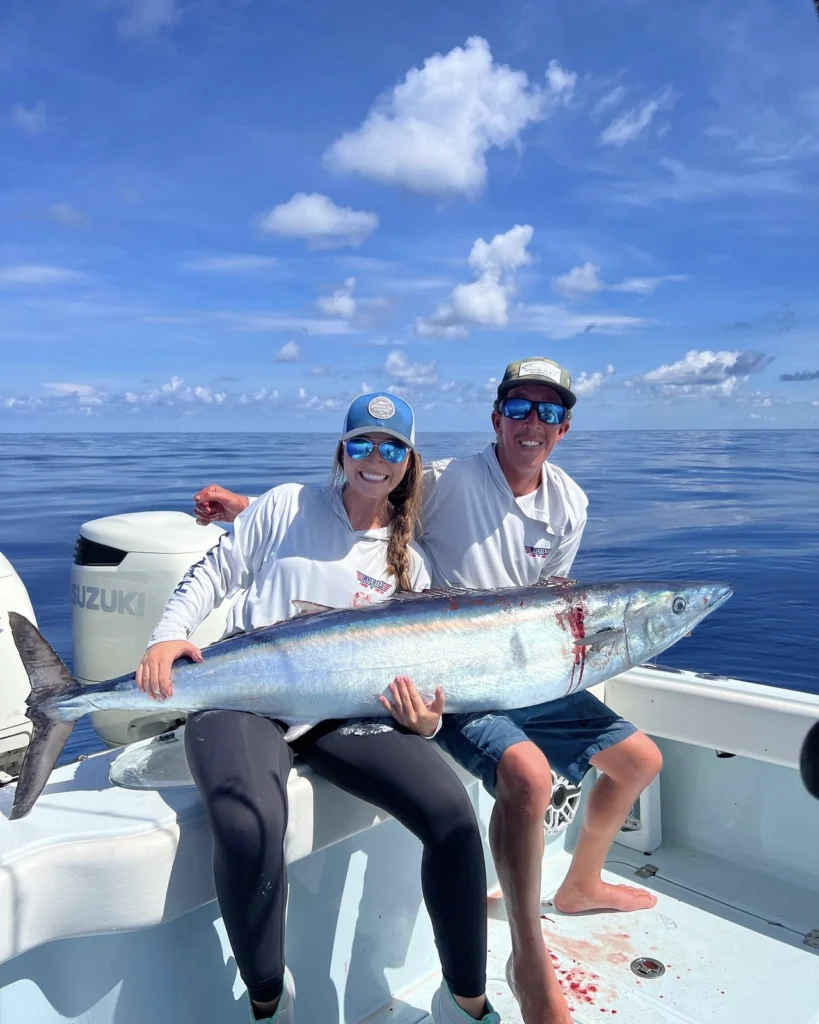
King mackerel sweep past the beaches in two big migrations, spring around March through May and again in October and November, following the bait schools. Slow trolling live baits over nearshore reefs and hard bottom is the classic tactic, and the scream of a king’s first run is one of the great sounds in Gulf fishing. The runs happen within easy reach, which makes kingfish season a great value window.
Mahi are the warm season wildcard. They favor the blue water well offshore, around weed lines and floating debris, and the eastern Gulf gives them up less consistently than the Atlantic side, but summer long range trips out of St. Petersburg cross paths with them regularly enough to keep a rod ready. Add amberjack over the deep wrecks and mangrove snapper stacked on structure, and an offshore day here rarely has a quiet cooler.
Bottom Line
Off St. Petersburg the calendar reads like a menu: snapper headlining summer, grouper holding the bottom most of the year, cobia and kingfish sweeping through spring and fall, and mahi teasing the far blue water in the heat. Rules shift yearly, and a good captain keeps you legal without you memorizing a regulation book. Inverted Fishing Charters runs federally permitted offshore trips out of St. Petersburg year round, matched to whatever is biting best on your dates. Tell us what you want in the cooler and we will point you at the right season.
Related reading: our offshore fishing services, What a Tampa Bay Fishing Charter Costs, How to Choose a Fishing Charter Captain