Catch and Release Done Right on Tampa Bay
Most fish caught on Tampa Bay go back in the water. Some by rule, like oversized snook or any tarpon worth bragging about, and plenty more by choice, because the anglers who fish here want to catch these fish again next year. Release is not the consolation prize of the trip, it is half the sport.
But a release only counts if the fish survives it, and survival is decided in the sixty seconds after the net. Here is how our crews handle fish out of St. Petersburg, and how you can make every release on your trip a good one.
How do you release a fish the right way?
Keep the fish in the water as much as possible and air exposure down to seconds, not minutes. Wet your hands before touching it, use a rubber coated net, and back the hook out with pliers or a dehooker, cutting the leader close when a fish is hooked deep instead of digging. Hold bigger fish horizontally with a hand under the belly, never hanging by the jaw, take the photo fast, then hold the fish upright in the water until it kicks away under its own power. Fish pulled from deep water are a special case and need a descending device to get back down.
One habit covers most of it: get the camera ready before the fish leaves the water, not after.
Why release quality matters on this bay
Tampa Bay’s inshore fishery is a recovery story. Red tide years hit snook and redfish hard, seasons closed, and the comeback since has been built on careful management and on anglers releasing fish well. Every strong release protects the schools that make this the fishery people fly in for, and every sloppy one quietly takes a breeder out of the system even though it swam off.
The regulations lean the same direction. Slot limits mean the biggest snook and redfish go back by law, tarpon are functionally a release only fishery, and Gulf reef fish carry release gear requirements. Fishing here simply means releasing fish, so releasing them well is part of knowing what you are doing.
Hands, nets, and the ten second photo
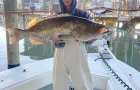
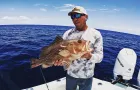
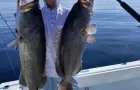
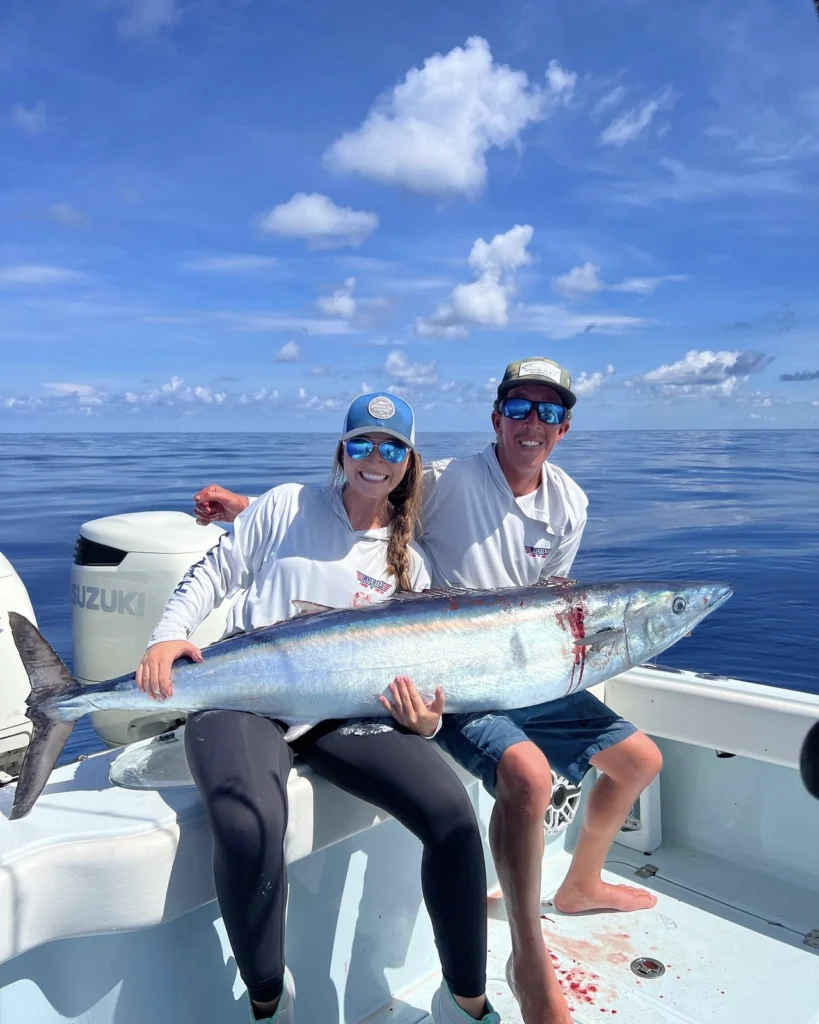
A fish’s slime coat is its immune system, so everything that touches the fish should be wet, and nothing should be a dry towel or a dry gunwale. Rubber coated nets beat knotted mesh, and leaving the fish in the net alongside the boat while hooks come out is better than lifting it aboard at all. Skip the vertical hang on anything heavy, since dangling a big fish by the jaw can damage it inside, and give big snook, redfish, and anything of size two hands and a horizontal hold.
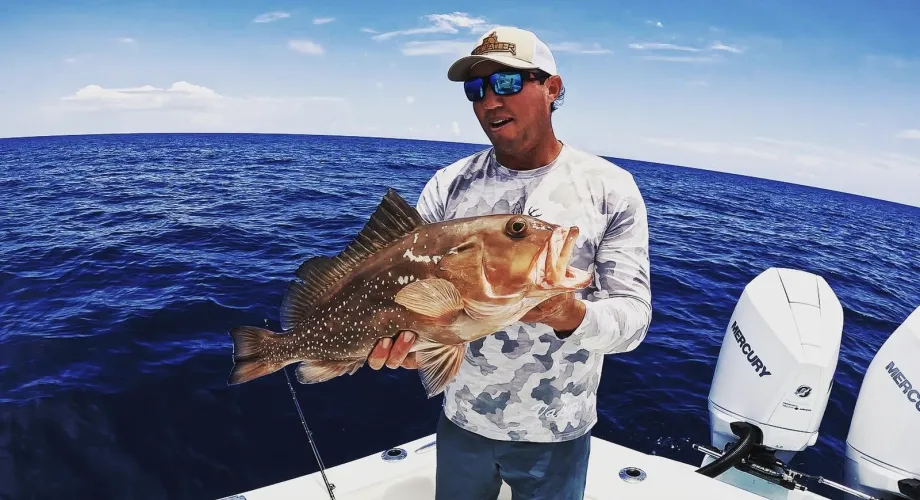
Then make the photo a drill: fish stays in the water while the phone comes out, one lift, smile, click, back in. Ten seconds of air is a good release, a minute of fumbling is not. The picture actually looks better that way too, fresh colors, dripping water, and a fish that still has its fight.
Hooks, tackle, and fight time
Good releases start before the strike. Circle hooks with live and natural baits hook fish in the corner of the jaw instead of the gut, which is why they are standard practice on this coast and required in some Gulf reef fishing. Single hooks beat trebles for release fishing, and pinching barbs makes unhooking quicker on fast action trips with kids.
Tackle matters just as much: gear heavy enough to end the fight in reasonable time protects the fish, especially in the warm water of late summer when a marathon battle can exhaust a fish past recovery. When a fish is hooked deep, cut the leader close and let it go, since hooks shed and rust far more often than fish survive surgery. Sharpen the release routine and you spend more of the day with lines in the water anyway.
Tarpon, deep water fish, and the local wrinkles
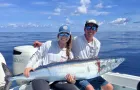
Tarpon have their own rulebook: any tarpon over 40 inches must stay in the water in Florida, so the photo is a boatside shot and the reward is watching a hundred pound fish swim off strong after a careful revive. Crews here idle forward during revival so water moves across the gills until the fish surges away on its own.
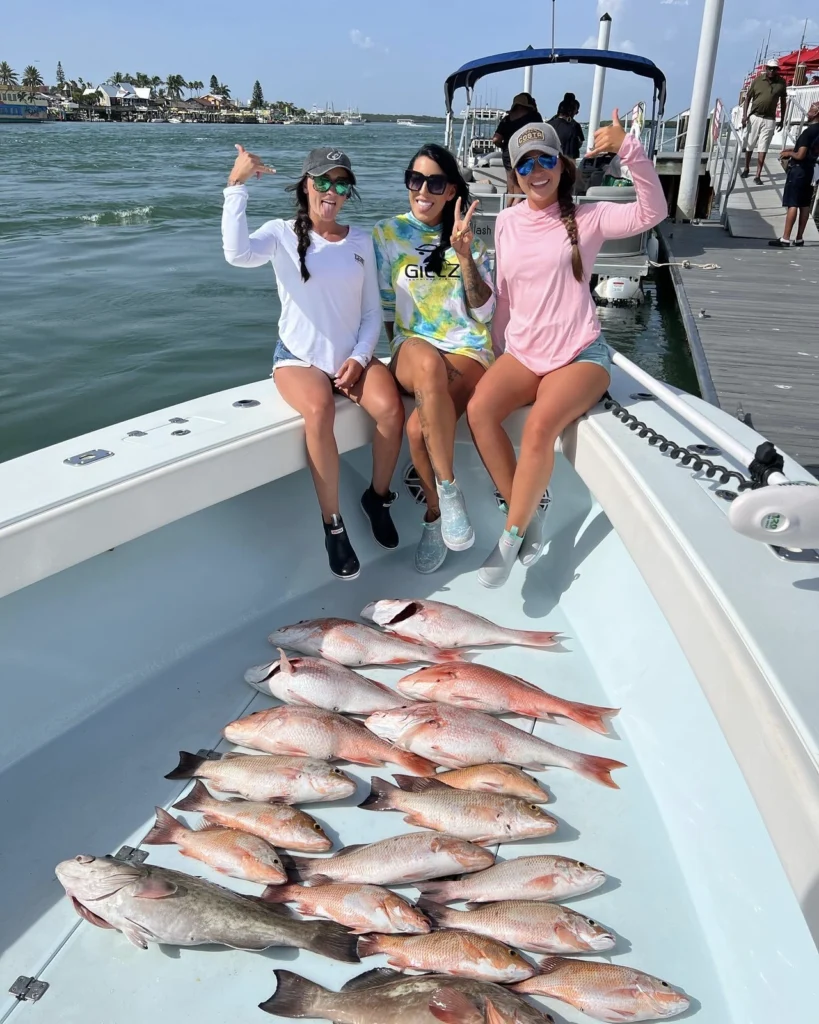
Deep water reef fish like snapper and grouper come up with expanded swim bladders, and tossing a floating fish back is a death sentence. That is why Gulf boats carry descending devices, weighted clips that carry the fish back to depth, and why regulators require them rigged and ready. One more Tampa Bay wrinkle: the resident dolphins have learned to mug released fish near busy spots, so a smart crew moves or waits before releasing when a dolphin is shadowing the boat.
Bottom Line
Great releases come down to wet hands, water time over air time, horizontal holds, the right hooks, and knowing the special cases, tarpon stay in the water and deep reef fish ride a descender home. Do it well and the fishery that made your trip stays world class for the next one. Inverted Fishing Charters builds these habits into every trip out of St. Petersburg, and our crews are glad to teach them along the way. Book a day with us and send every fish back strong.
Related reading: Taking Kids on a Fishing Charter: What to Bring and How to Plan, How to Prevent Seasickness on a Fishing Charter