How to Choose a Fishing Charter Captain
St. Petersburg has one of the deepest charter fleets in Florida, which is great news and a genuine problem. Scroll any booking site and you will find dozens of captains, all with fish photos, all promising a great day on Tampa Bay. From the outside they look identical. From the inside, the gap between the best boats and the rest is enormous.
You cannot test drive a charter, so you have to vet it. The good news: five minutes of checking and three good questions will sort the fleet fast. Here is what actually separates captains, and how to spot it before you put a deposit down.
How do you choose a good fishing charter captain?
Verify a Coast Guard captain’s license and insurance, read recent reviews that mention your kind of trip, confirm the boat fits your group and the water you want to fish, and ask about federal permits if you want offshore snapper and grouper. Then pay attention to the phone call: the right captain asks about your group and your goals before quoting a price, because they are already planning your day.
Every box on that list takes minutes to check, and together they eliminate most of the mismatch stories that end up as one star reviews.
Licenses, permits, and safety basics
Every legitimate charter captain holds a Coast Guard credential, most commonly the OUPV license that allows up to six paying passengers, and runs a boat equipped with required safety gear. Florida layers its own charter licensing on top, which covers your whole group so nobody needs an individual fishing license. Any professional will confirm all of this cheerfully; hesitation is your answer.
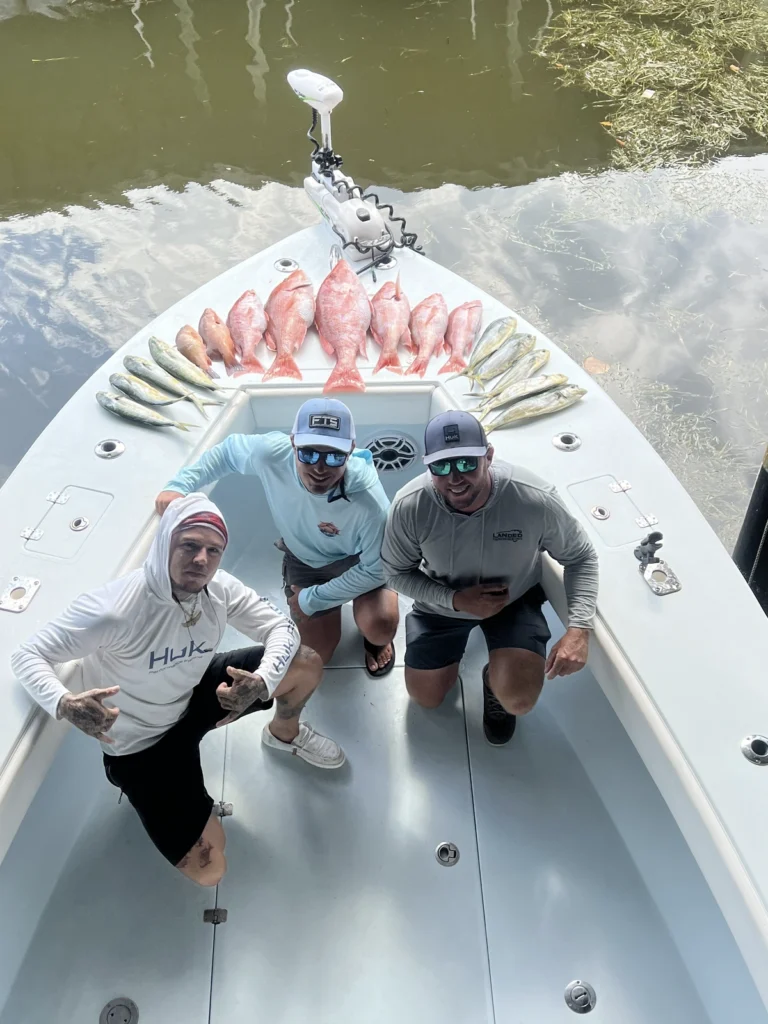
Offshore adds one more checkpoint most visitors have never heard of: keeping snapper and grouper caught in federal waters requires the boat to hold a federal Gulf reef fish charter permit, and those permits are limited. If your dream is a red snapper cooler in June, ask directly whether the boat is federally permitted. Serious offshore operations also carry descending devices for releasing bottom fish, which regulators require and good crews actually use.
Reading reviews like a local
Volume matters less than freshness and specifics. A captain with steady reviews from this season, mentioning the trip you want, tarpon in June, kids’ first snook, a snapper limit in July, is showing you a current, relevant track record. A wall of generic praise from three years ago tells you much less.
Read the middling reviews for character. Fishing has slow days, and how a captain handles one shows up in the three star writeups: did they grind, change spots, and teach, or watch the clock? Look for mentions of weather calls handled honestly and kids treated patiently. Recycled photos of the same few fish across months is a small red flag; a feed with different anglers holding different fish every week is the real thing.
Match the boat and the style to your group
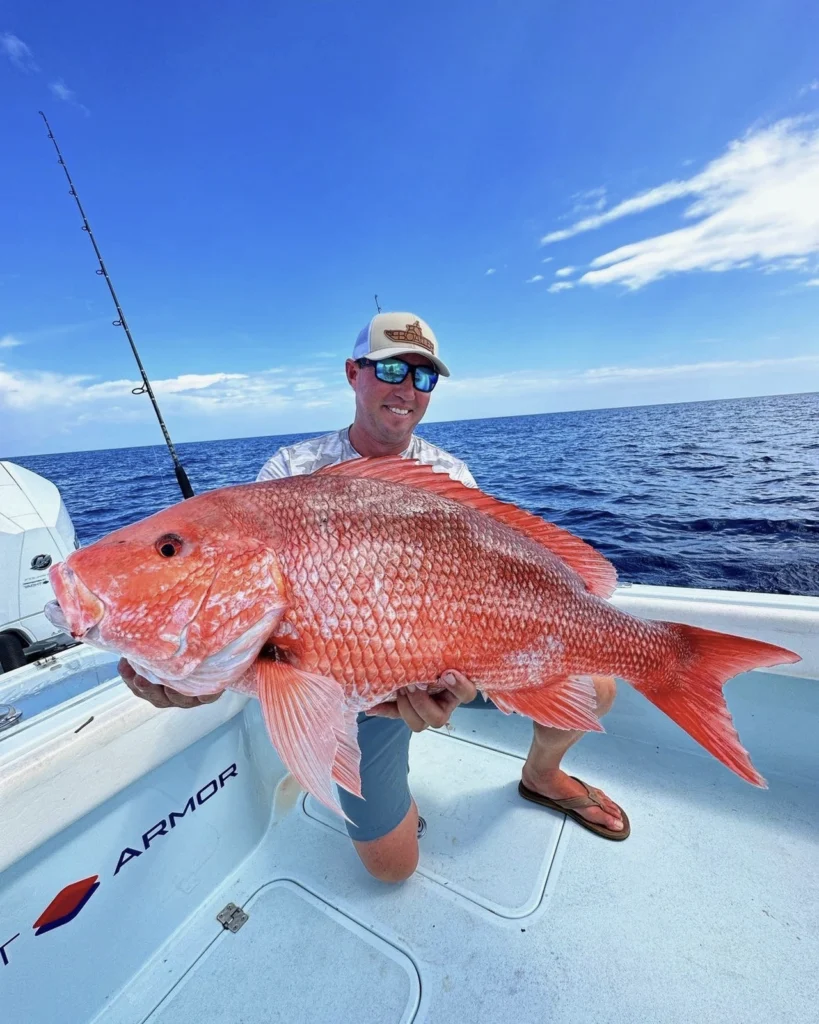
Boats set the ceiling on your day. A shallow running bay boat is perfect for flats and mangrove fishing but has no bathroom, while a bigger center console with a head and shade makes an offshore day civilized for a mixed crew. If you have small kids, older parents, or anyone who needs facilities, say so and let the captain tell you honestly whether their boat fits.
Style matters as much as hardware. Some captains run patient live bait trips built for families, others grind artificials for anglers who want to cast all day, and the tarpon specialists are a different breed again. None of it is wrong, but a mismatch makes everyone miserable. Describe your crew and your pace honestly and you will get matched to the right program, sometimes on a different boat than the one you called.
Questions to ask before you book
Ask what your dates realistically offer: a straight answer about seasons, including what will not be biting, marks an honest captain, while promises of everything year round mark a salesman. Ask the weather policy, what the deposit covers, and how rescheduling works. Ask what is included, what to bring, and who cleans the catch.
Then ask the question that reveals the most: what would you do with my group? A pro starts asking about ages, experience, and hopes for the day, then sketches a plan with options. That interview in reverse is exactly what you are paying for on the water, and you get a free sample of it before booking. If the answers come fast, specific, and honest, you found your boat.
Bottom Line
Choosing a charter captain in St. Petersburg comes down to verified credentials, fresh and specific reviews, a boat that fits your people, and a captain who asks better questions than you do. Five minutes of vetting buys a whole day of confidence on Tampa Bay. Inverted Fishing Charters is happy to answer every question on this list before you commit a dime, because that conversation is where a good trip starts. Call with your dates and your crew, and judge us by our answers.
Related reading: our offshore fishing services, Inshore vs Offshore Fishing: Which Charter Fits You, What a Tampa Bay Fishing Charter Costs